Also available in Indonesian: Panduan Kandungan Aktif Skincare →
Skincare Active Ingredients Guide

Quick Summary: Active ingredients such as Niacinamide, Vitamin C, Retinol, Hyaluronic Acid, exfoliating acids, and Ceramides target hydration, brightening, or cell turnover. Real-world potency depends equally on safe percentage ranges, proper layering, and light- or air-blocking packaging that prevents premature oxidation.

Core Actives and Their Stability Profiles

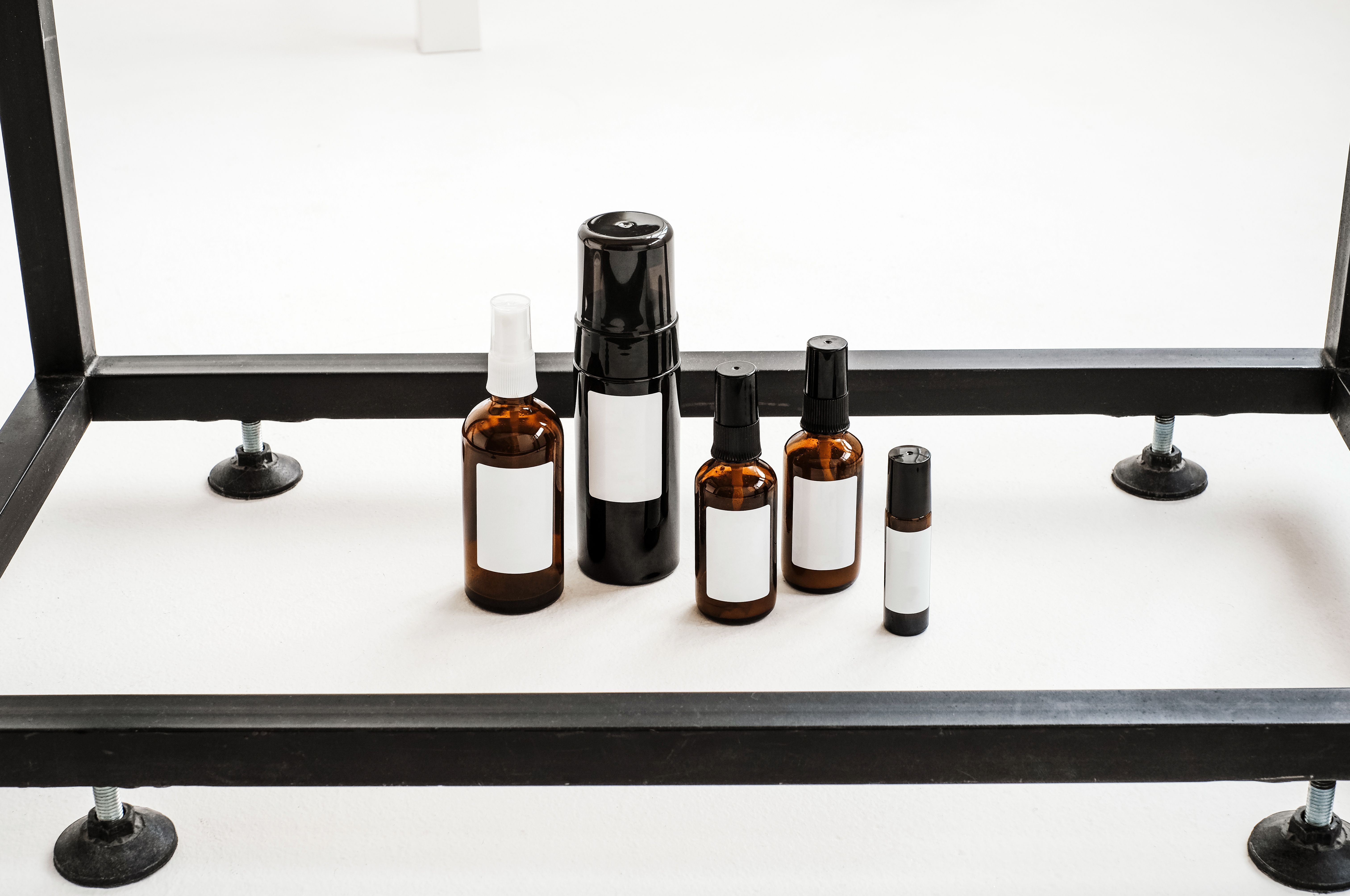
Understanding how an ingredient behaves inside its container is just as important as reading the front label. Potent antioxidants like L-Ascorbic Acid and retinoids degrade quickly when exposed to UV light and repeated oxygen intake.

Active IngredientPrimary RoleBest TimePackaging Sensitivity
Niacinamide (2–5%)Sebum balance, tone evening & barrier supportAM & PMStable in standard pump or dropper bottles
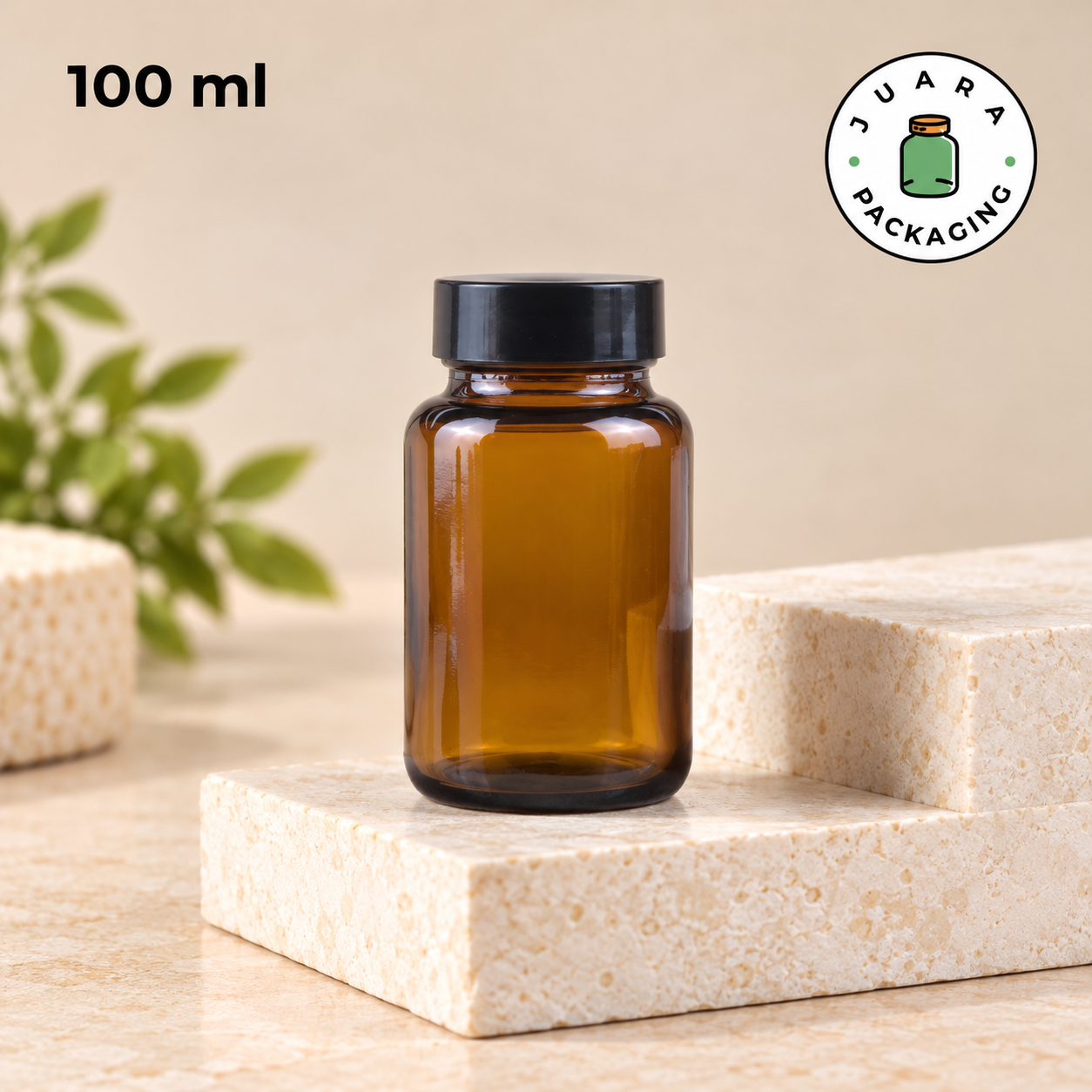
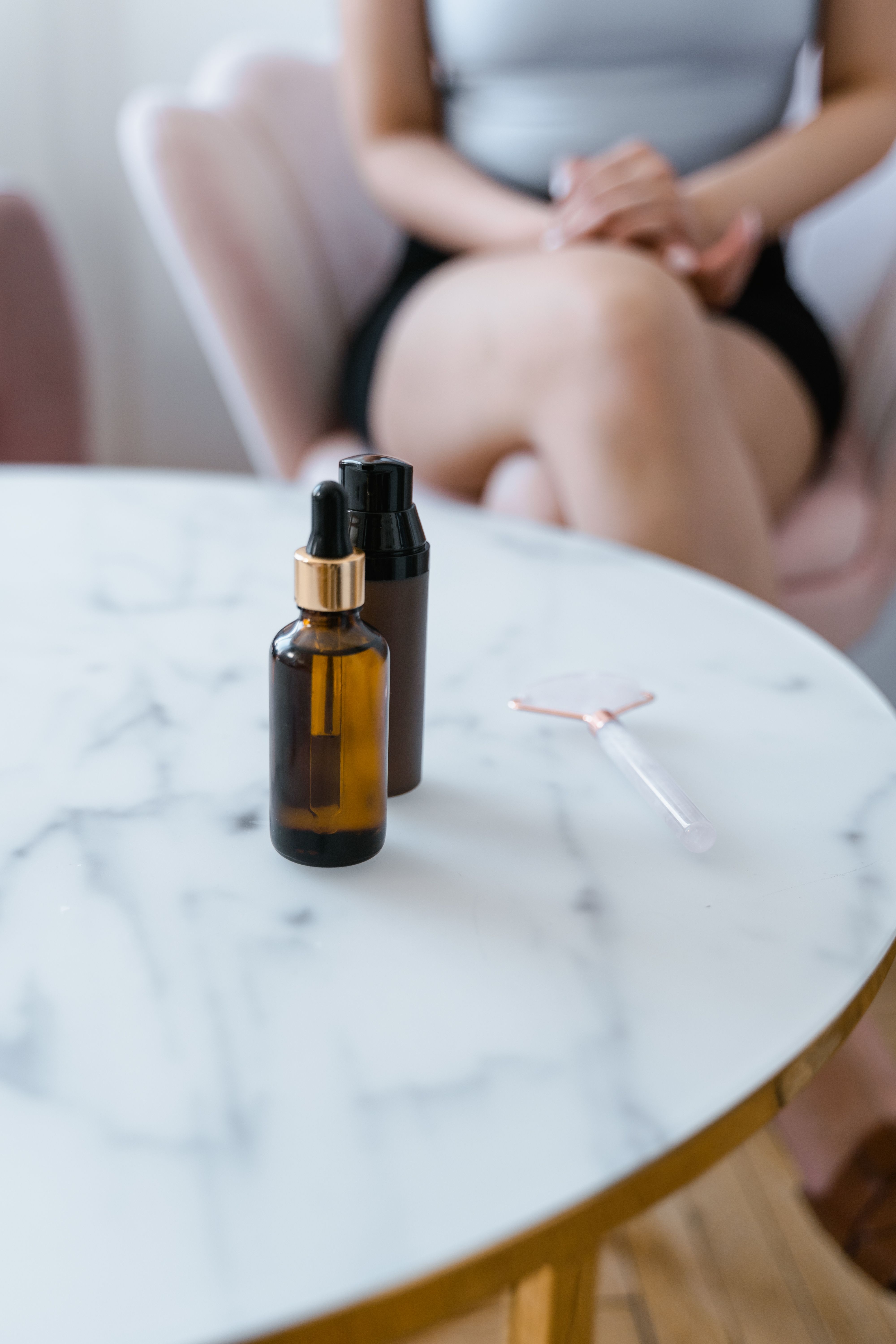
Vitamin C (L-Ascorbic)Antioxidant defense & radianceAM (under SPF)High sensitivity—needs dark amber glass or airless pump
RetinolCellular turnover & texture refinementPM onlyHigh UV/oxygen sensitivity—needs opaque airless or coated tube
Hyaluronic AcidHumectant hydration bindingAM & PM (damp skin)Best in clean pump or precision dropper
CeramidesLipid barrier restorationAM & PMHygienic airless jar or laminated tube
Editorial Review & Consumer Safety Note
Ruang Skincare Editorial Team

Content is compiled for educational clarity regarding skin barrier science, active ingredients, and cosmetic packaging stability. It does not replace individualized medical advice from a board-certified dermatologist.
Related Articles in This Guide (121)

Combining Niacinamide and Ceramides for a Stronger Skin Barrier Active Ingredients

Combining Niacinamide and Ceramides for a Stronger Skin Barrier

Discover why pairing Niacinamide (2–5%) with multi-ceramide moisturizers calms redness, balances oil, and restores a compromised skin barrier.

Benefits & Mechanism: PHA (Gluconolactone) for Oily & Congestion-Prone Skin Active Ingredients

Benefits & Mechanism: PHA (Gluconolactone) for Oily & Congestion-Prone Skin

Objective Benefits & Mechanism covering PHA (Gluconolactone) (4% – 8%) for Oily & Congestion-Prone Skin, including Lightweight water-gel or oil-free fluid texture tips.

Safe Strength & Pacing Guide: Vitamin C (L-Ascorbic Acid) for Combination Skin (Oily T-Zone) Active Ingredients

Safe Strength & Pacing Guide: Vitamin C (L-Ascorbic Acid) for Combination Skin (Oily T-Zone)

Objective Safe Strength & Pacing Guide covering Vitamin C (L-Ascorbic Acid) (5% – 15%) for Combination Skin (Oily T-Zone), including Balanced layerable gel-lotion texture tips.

Safe Strength & Pacing Guide: Peptide Complex for Combination Skin (Oily T-Zone) Active Ingredients

Safe Strength & Pacing Guide: Peptide Complex for Combination Skin (Oily T-Zone)

Objective Safe Strength & Pacing Guide covering Peptide Complex (1% – 5%) for Combination Skin (Oily T-Zone), including Balanced layerable gel-lotion texture tips.

Benefits & Mechanism: Azelaic Acid for Combination Skin (Oily T-Zone) Active Ingredients

Benefits & Mechanism: Azelaic Acid for Combination Skin (Oily T-Zone)

Objective Benefits & Mechanism covering Azelaic Acid (5% – 10%) for Combination Skin (Oily T-Zone), including Balanced layerable gel-lotion texture tips.

Safe Strength & Pacing Guide: Centella Asiatica (Madecassoside) for Dry & Flaky Skin Active Ingredients

Safe Strength & Pacing Guide: Centella Asiatica (Madecassoside) for Dry & Flaky Skin

Objective Safe Strength & Pacing Guide covering Centella Asiatica (Madecassoside) (0.5% – 5%) for Dry & Flaky Skin, including Lipid-rich emulsion or ceramide cream texture tips.

Safe Strength & Pacing Guide: Niacinamide (Vitamin B3) for Dry & Flaky Skin Active Ingredients

Safe Strength & Pacing Guide: Niacinamide (Vitamin B3) for Dry & Flaky Skin

Objective Safe Strength & Pacing Guide covering Niacinamide (Vitamin B3) (2% – 5%) for Dry & Flaky Skin, including Lipid-rich emulsion or ceramide cream texture tips.

Benefits & Mechanism: Retinol & Retinoids for Dry & Flaky Skin Active Ingredients

Benefits & Mechanism: Retinol & Retinoids for Dry & Flaky Skin

Objective Benefits & Mechanism covering Retinol & Retinoids (0.1% – 0.5%) for Dry & Flaky Skin, including Lipid-rich emulsion or ceramide cream texture tips.

Benefits & Mechanism: Panthenol (Pro-Vitamin B5) for Dry & Flaky Skin Active Ingredients

Benefits & Mechanism: Panthenol (Pro-Vitamin B5) for Dry & Flaky Skin

Objective Benefits & Mechanism covering Panthenol (Pro-Vitamin B5) (1% – 5%) for Dry & Flaky Skin, including Lipid-rich emulsion or ceramide cream texture tips.

Safe Strength & Pacing Guide: Hyaluronic Acid for Blemish & Post-Breakout Mark Prone Skin Active Ingredients

Safe Strength & Pacing Guide: Hyaluronic Acid for Blemish & Post-Breakout Mark Prone Skin

Objective Safe Strength & Pacing Guide covering Hyaluronic Acid (0.5% – 2%) for Blemish & Post-Breakout Mark Prone Skin, including Fast-absorbing non-comedogenic serum texture tips.

Benefits & Mechanism: Niacinamide (Vitamin B3) for Blemish & Post-Breakout Mark Prone Skin Active Ingredients

Benefits & Mechanism: Niacinamide (Vitamin B3) for Blemish & Post-Breakout Mark Prone Skin

Objective Benefits & Mechanism covering Niacinamide (Vitamin B3) (2% – 5%) for Blemish & Post-Breakout Mark Prone Skin, including Fast-absorbing non-comedogenic serum texture tips.

Benefits & Mechanism: Centella Asiatica (Madecassoside) for Blemish & Post-Breakout Mark Prone Skin Active Ingredients

Benefits & Mechanism: Centella Asiatica (Madecassoside) for Blemish & Post-Breakout Mark Prone Skin

Objective Benefits & Mechanism covering Centella Asiatica (Madecassoside) (0.5% – 5%) for Blemish & Post-Breakout Mark Prone Skin, including Fast-absorbing non-comedogenic serum texture tips.