Also available in Indonesian: Panduan Kemasan & Penyimpanan Skincare →
Skincare Packaging & Storage Guide

Quick Summary: Cosmetic packaging is an active preservation system, not just visual branding. Choosing between UV-filtering amber glass, vacuum airless pumps, laminated tubes, or double-wall jars directly protects sensitive skincare actives against photo-oxidation, air ingress, and microbial contamination from first use to last drop.

How Packaging Architecture Protects Formula Stability

Even the finest skincare formulation degrades rapidly if housed in a mismatched container. Oxygen exposure oxidizes Vitamin C, UV light breaks down retinoids, and repeated finger dipping introduces bacteria into water-based creams.

Packaging FormatOxygen BarrierUV ProtectionIdeal Formulation
Airless Pump BottleVery High (rising piston vacuum)High (opaque/UV-coated)Antioxidant serums, retinoid creams, peptide emulsions
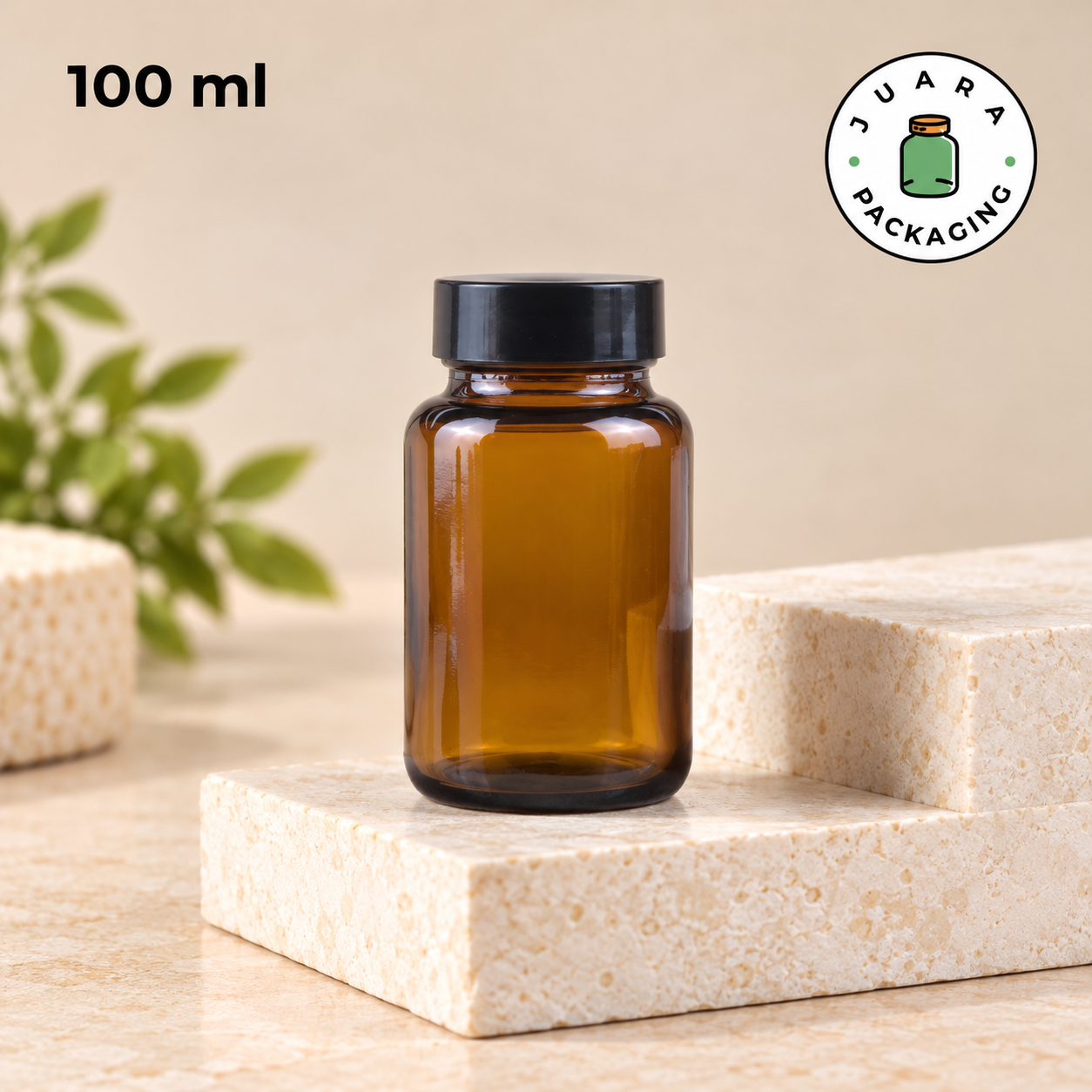
Amber Glass DropperModerate (brief air exposure)High (filters short-wave UV)Botanical oils, L-Ascorbic serums, concentrated essences
Cream Jar + Inner LinerLow–ModerateDepends on glass/acrylic wallThick balms, barrier creams, sleeping masks (use spatula)
Aluminium / Barrier TubeHigh (non-return dispensing)Very HighDaily sunscreens, retinoid gels, targeted treatments

Common Cosmetic Packaging Materials Explained

  • Glass (Amber, Cobalt, Frosted): Chemically inert, zero leaching risk with essential oils or low-pH acids, and infinitely recyclable.
  • PP (Polypropylene) & HDPE: Lightweight, shatter-resistant, and chemically compatible with emulsifiers and active creams.
  • PET / PETG: Crystal-clear impact-resistant resin widely chosen for toners, micellar waters, and foaming cleansers.
  • Double-Wall Acrylic (PMMA): Delivers luxury glass-like clarity paired with an inner PP compatibility cup.

Best Storage Habits for Consumers & Brands

Keep active skincare between 15°C and 25°C away from sunny windowsills and humid shower steam, wipe bottle necks clean after dispensing, and always secure inner dust caps tightly.

References & Further Reading

Editorial Review & Consumer Safety Note
Ruang Skincare Editorial Team

Content is compiled for educational clarity regarding skin barrier science, active ingredients, and cosmetic packaging stability. It does not replace individualized medical advice from a board-certified dermatologist.
Related Articles in This Guide (326)

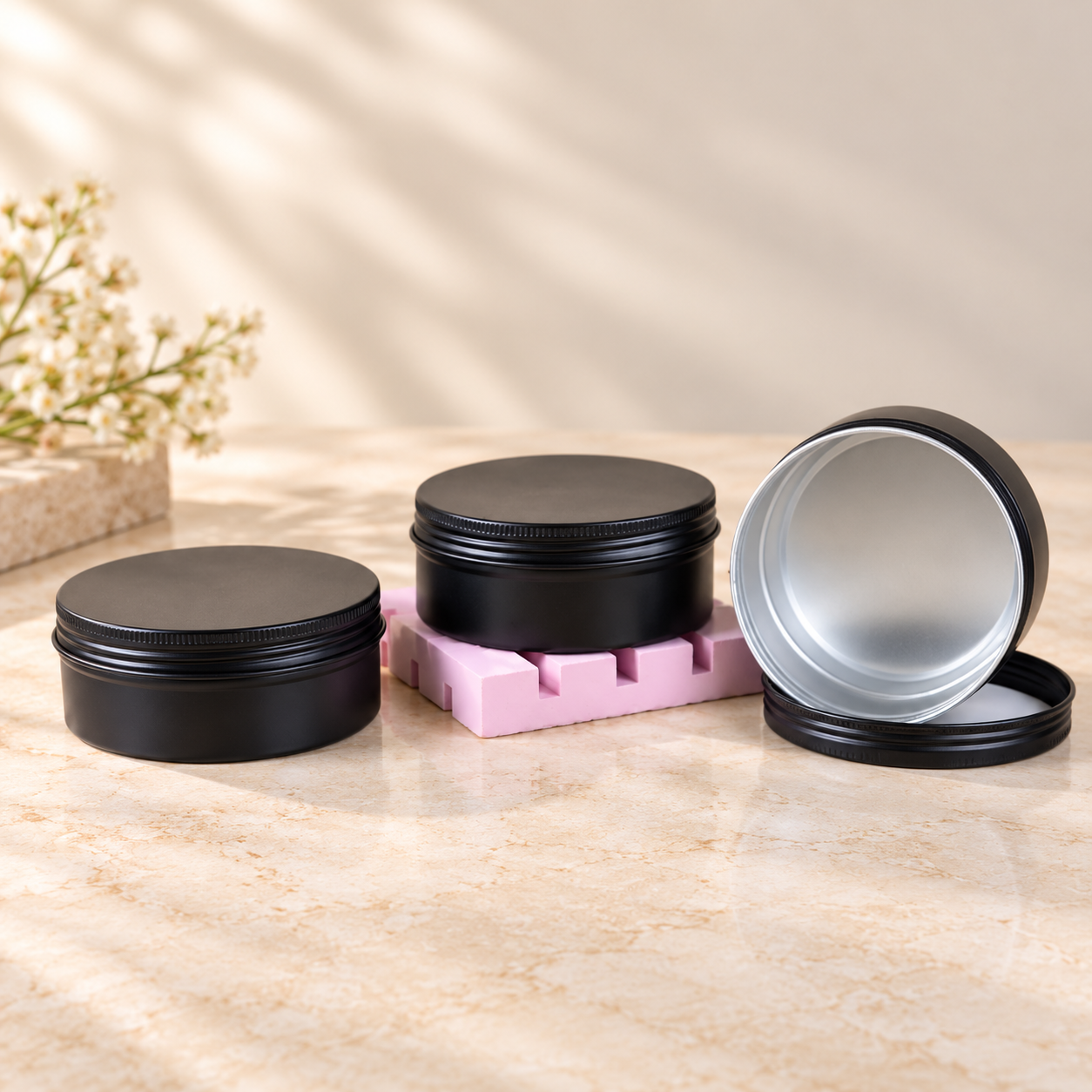
How Minimalist Metal Balm Tin Impacts Vitamin C (L-Ascorbic Acid) Formula Stability Packaging & Storage

How Minimalist Metal Balm Tin Impacts Vitamin C (L-Ascorbic Acid) Formula Stability

Technical guide on how Minimalist Metal Balm Tin (Coated Tinplate / Aluminum) protects pH 2.8 – 3.5 stability and slows down oxidation in Vitamin C (L-Ascorbic Acid).

How Amber Glass Dropper Bottle Impacts Vitamin C (L-Ascorbic Acid) Formula Stability Packaging & Storage

How Amber Glass Dropper Bottle Impacts Vitamin C (L-Ascorbic Acid) Formula Stability

Technical guide on how Amber Glass Dropper Bottle (Amber Type-III Glass) protects pH 2.8 – 3.5 stability and slows down oxidation in Vitamin C (L-Ascorbic Acid).

Airless Pump vs. Cream Jar: Which Skincare Packaging Works Best? Packaging & Storage

Airless Pump vs. Cream Jar: Which Skincare Packaging Works Best?

Compare airless pump dispensers and cosmetic cream jars across hygiene, oxygen protection, product evacuation rate, and viscosity compatibility.

Why Do Vitamin C Serums Use Dark Amber Glass Bottles? Packaging & Storage

Why Do Vitamin C Serums Use Dark Amber Glass Bottles?

Dark amber glass and opaque airless dispensers shield sensitive L-Ascorbic Acid from UV light and photo-oxidation so your antioxidant serum stays potent.

Cosmetic Packaging Recycling Codes (PET, HDPE, PP) for Water-Based Antioxidant Serums Trends & Innovation

Cosmetic Packaging Recycling Codes (PET, HDPE, PP) for Water-Based Antioxidant Serums

In-depth look at Cosmetic Packaging Recycling Codes (PET, HDPE, PP) for Water-Based Antioxidant Serums to safeguard consumer safety and formula stability.

How Clear PET Toner Bottle Impacts Vitamin C (L-Ascorbic Acid) Formula Stability Packaging & Storage

How Clear PET Toner Bottle Impacts Vitamin C (L-Ascorbic Acid) Formula Stability

Technical guide on how Clear PET Toner Bottle (Cosmetic-Grade PET) protects pH 2.8 – 3.5 stability and slows down oxidation in Vitamin C (L-Ascorbic Acid).

Skincare Fridge vs. Room Temperature Storage for Facial Oils & Anhydrous Balms Packaging & Storage

Skincare Fridge vs. Room Temperature Storage for Facial Oils & Anhydrous Balms

In-depth look at Skincare Fridge vs. Room Temperature Storage for Facial Oils & Anhydrous Balms to safeguard consumer safety and formula stability.

How Amber Glass Cream Jar Impacts Hyaluronic Acid Formula Stability Packaging & Storage

How Amber Glass Cream Jar Impacts Hyaluronic Acid Formula Stability

Technical guide on how Amber Glass Cream Jar (Amber Glass + PP Liner) protects pH 5.0 – 6.5 stability and slows down oxidation in Hyaluronic Acid.

How Refillable Cushion Compact Case Impacts Hyaluronic Acid Formula Stability Packaging & Storage

How Refillable Cushion Compact Case Impacts Hyaluronic Acid Formula Stability

Technical guide on how Refillable Cushion Compact Case (ABS Outer + PP Airtight Inner Pod) protects pH 5.0 – 6.5 stability and slows down oxidation in Hyaluronic Acid.

Storage & Shelf-Life Protection: AHA (Glycolic / Lactic Acid) for Blemish & Post-Breakout Mark Prone Skin Packaging & Storage

Storage & Shelf-Life Protection: AHA (Glycolic / Lactic Acid) for Blemish & Post-Breakout Mark Prone Skin

Objective Storage & Shelf-Life Protection covering AHA (Glycolic / Lactic Acid) (4% – 10%) for Blemish & Post-Breakout Mark Prone Skin, including Fast-absorbing non-comedogenic serum texture tips.

How Opaque HDPE Lotion Bottle Impacts BHA (Salicylic Acid) Formula Stability Packaging & Storage

How Opaque HDPE Lotion Bottle Impacts BHA (Salicylic Acid) Formula Stability

Technical guide on how Opaque HDPE Lotion Bottle (High-Density Polyethylene) protects pH 3.2 – 4.0 stability and slows down oxidation in BHA (Salicylic Acid).

How PCR Refillable Inner Cartridge Impacts BHA (Salicylic Acid) Formula Stability Packaging & Storage

How PCR Refillable Inner Cartridge Impacts BHA (Salicylic Acid) Formula Stability

Technical guide on how PCR Refillable Inner Cartridge (Post-Consumer Recycled PP/PET) protects pH 3.2 – 4.0 stability and slows down oxidation in BHA (Salicylic Acid).