
Texture & INCI Selection Guide: Mild Acid Exfoliating Toner for Long Hours in Air-Conditioned Offices
Practical Texture & INCI Selection Guide for using Mild Acid Exfoliating Toner (pH 3.6 – 4.2) during Long Hours in Air-Conditioned Offices.
Ruang Skincare helps you make calmer, smarter skincare choices—covering beginner routines, active ingredients, label safety, and how protective packaging preserves formula freshness.
Explore step-by-step guidance on skin barrier care, active ingredients, and keeping daily products fresh.
 Guide 01
A practical starting framework for building a simple, gentle, and barrier-friendly skincare routine anchored in cleansing, moisturizing, and sun protection.
Read Full Guide → Guide 02
Learn how to identify dry, oily, combination, and sensitive skin accurately and match each profile to the right texture and active concentration.
Read Full Guide → Guide 03
Deep dive into Niacinamide, Vitamin C, Retinol, Hyaluronic Acid, AHA/BHA, and Ceramides—plus how formulation stability interacts with packaging.
Read Full Guide → Guide 04
A smart evaluation checklist for cleansers, toners, serums, moisturizers, and sunscreens—covering ingredient lists, texture, and hygienic dispensers.
Read Full Guide → Guide 05
Complete technical education on amber glass dropper bottles, airless pump dispensers, cream jars, cosmetic plastics (PET/PP/HDPE), and formula preservation.
Read Full Guide → Guide 06
How to verify regulatory registration, decode INCI ingredient labels and PAO symbols, spot exaggerated claims, and know when to consult a dermatologist.
Read Full Guide →Amid overwhelming beauty trends, everyday skincare users often struggle to separate marketing claims from practical science—including why active serums lose potency before the bottle runs out.
Ruang Skincare serves as a calm, reader-friendly educational guide. Alongside skin types and active ingredients, we explain hygienic dispensers and storage habits so your formulas stay effective.
Explore in-depth articles on active ingredients, daily routines, cosmetic safety, and skincare packaging technology.
 Products & Formats
Practical Texture & INCI Selection Guide for using Mild Acid Exfoliating Toner (pH 3.6 – 4.2) during Long Hours in Air-Conditioned Offices.
 Packaging & Storage
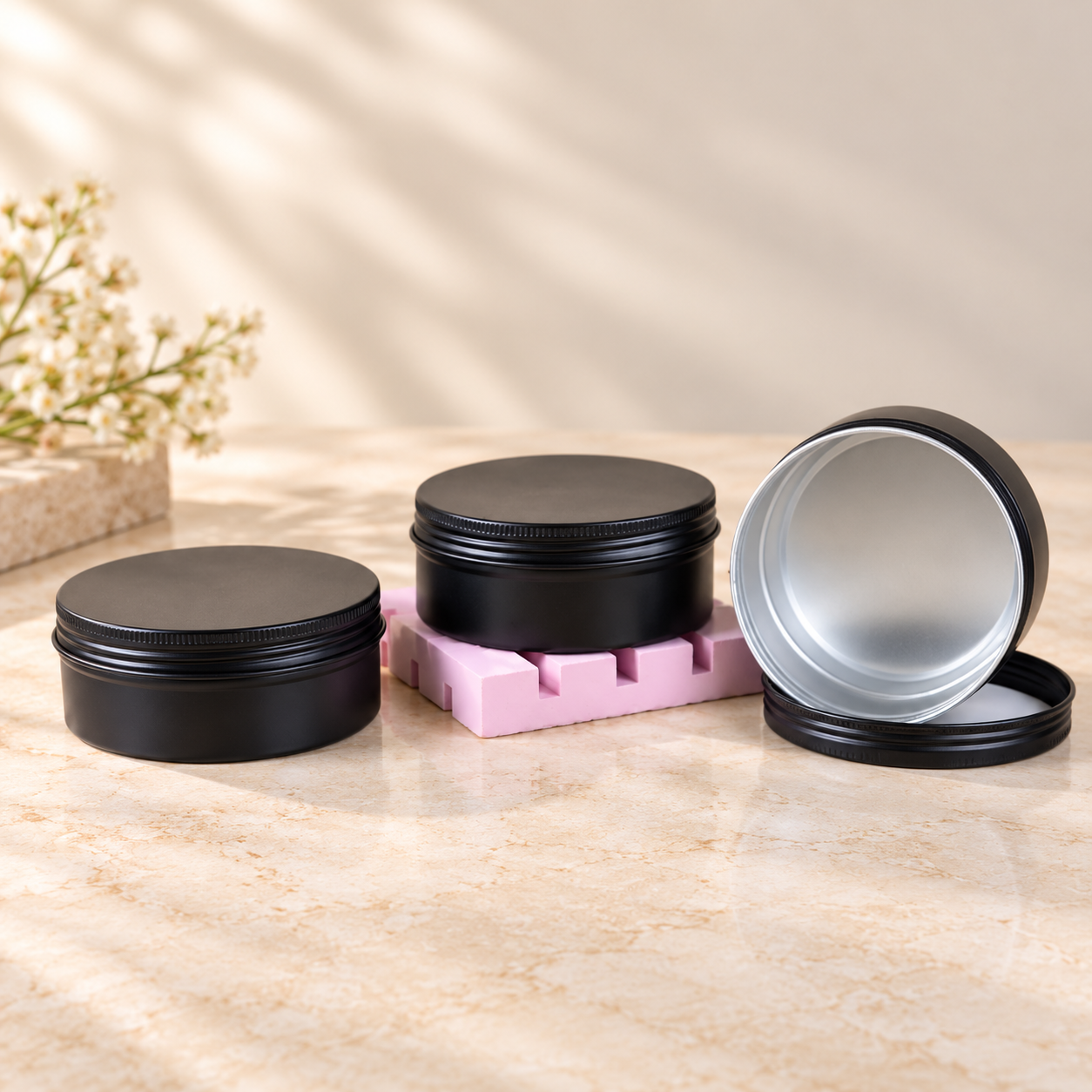
Technical guide on how Minimalist Metal Balm Tin (Coated Tinplate / Aluminum) protects pH 2.8 – 3.5 stability and slows down oxidation in Vitamin C (L-Ascorbic Acid).
Packaging & Storage
Technical guide on how Amber Glass Dropper Bottle (Amber Type-III Glass) protects pH 2.8 – 3.5 stability and slows down oxidation in Vitamin C (L-Ascorbic Acid).
Trends & Innovation
Compare chemical inertness, shatter resistance, UV protection, and sustainability across glass, PET, PP, and HDPE skincare containers.
Safety & Consumer Guide
Understand the difference between unopened shelf-life (EXP) and the Period After Opening (PAO) jar icon printed on skincare containers.
 Skincare Routines
Follow the thin-to-thick layering rule for AM protection and PM recovery so your skincare absorbs cleanly without pilling.