Quick Summary: Glass packaging excels in chemical inertness for acidic serums and essential-oil blends, while cosmetic-grade plastics like PP, HDPE, and PET offer shatterproof shipping safety, lightweight convenience, and compatibility with vacuum airless pumps and squeeze tubes. Formulators match material choice to each product’s chemistry.
How Cosmetic Engineers Choose Between Glass and Plastic
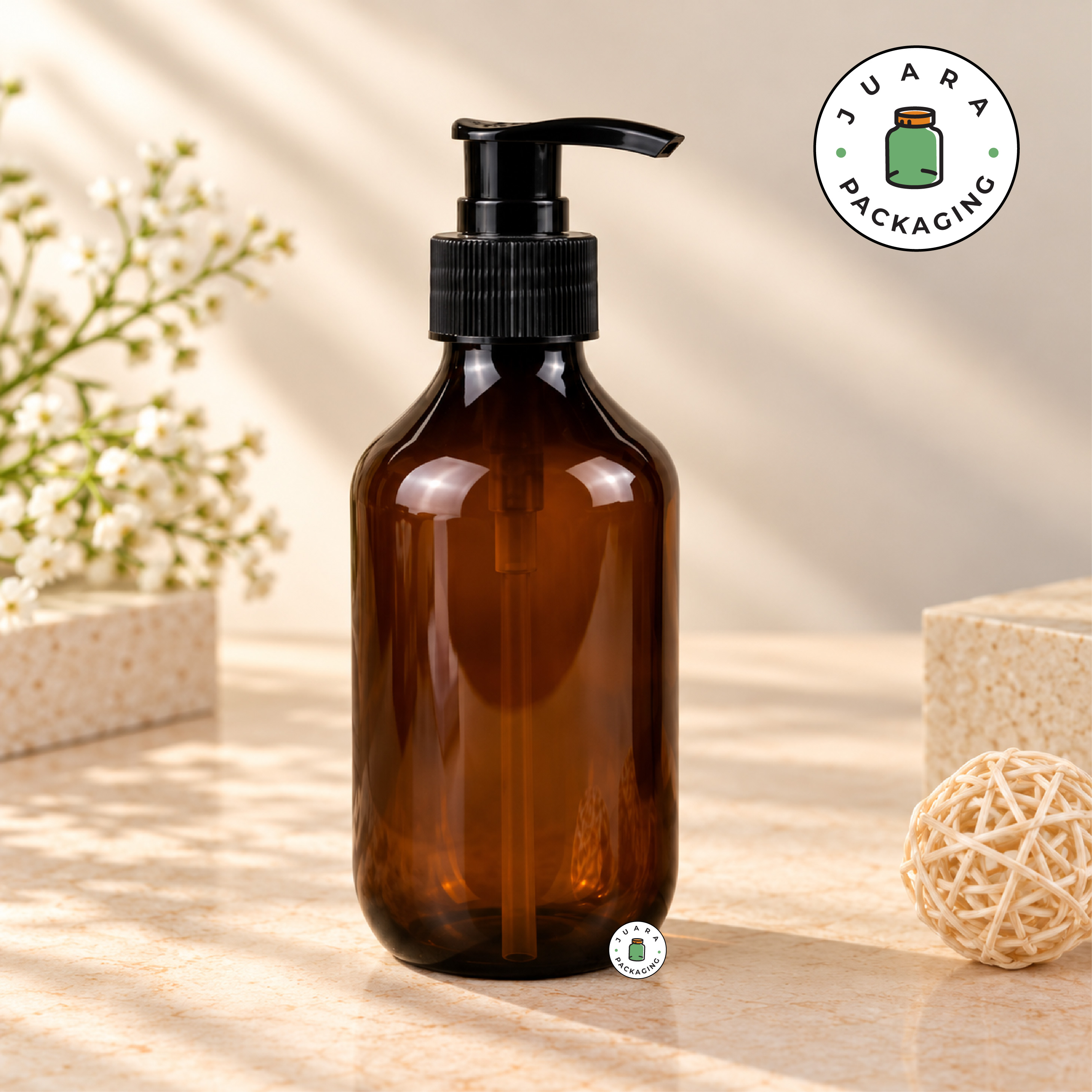
Before launching any serum or cream, brands conduct accelerated compatibility testing to verify that active ingredients do not soften, stain, or react with the container walls over time.
For a broader overview of this subject, explore our complete guide: How to Choose Skincare Products Wisely.
| Material | Key Traits | Strengths | Best Applications |
|---|---|---|---|
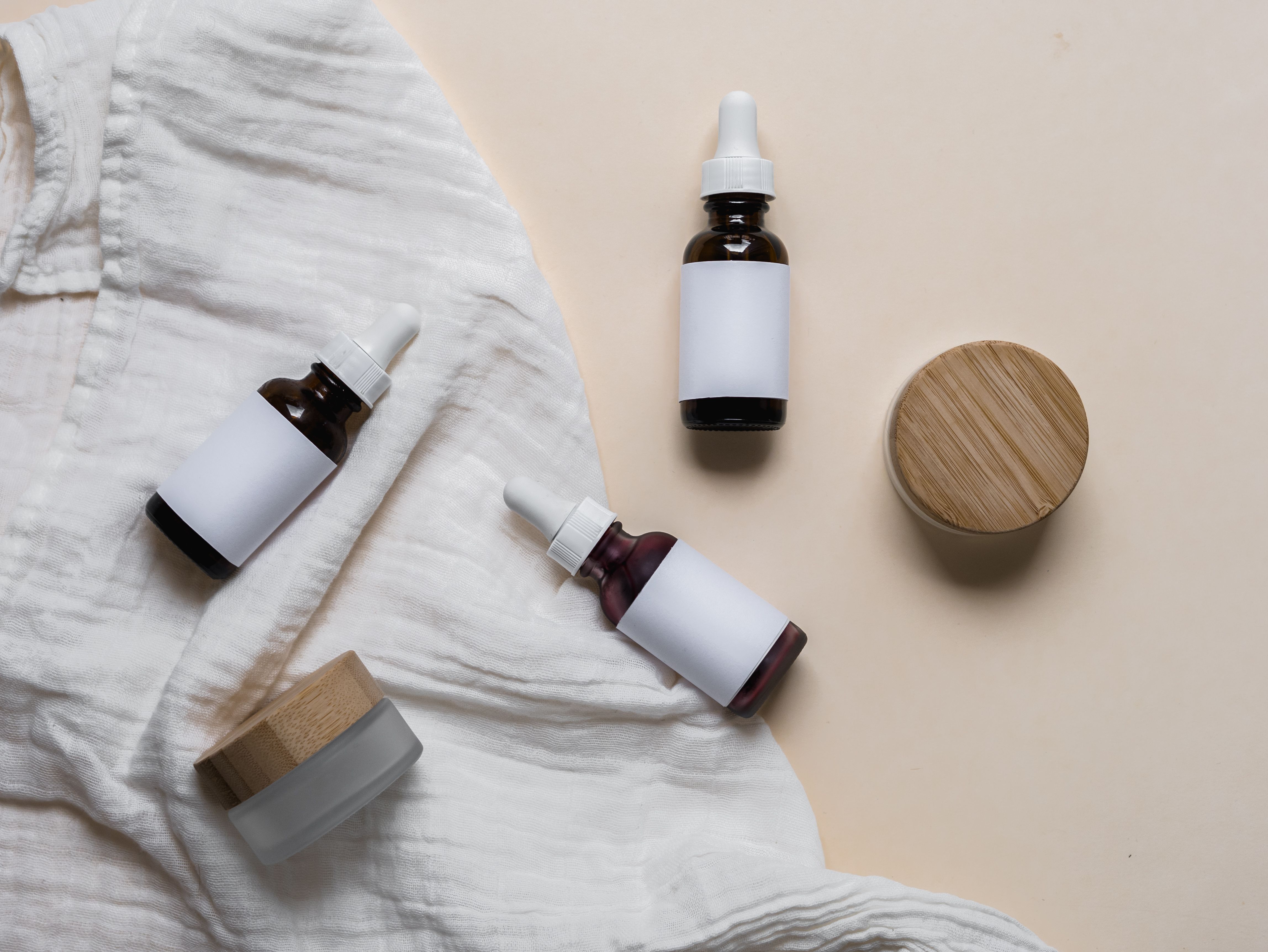
| Glass (Amber / Frosted) | Chemically inert, weighty feel | Zero fragrance or oil absorption | Serums, facial oils, premium jars |
| PP (Polypropylene) | Heat-resistant, matte finish | High chemical stability & hinge durability | Airless actuators, jar liners, caps |
| PET / PETG | Glass-like clarity, shatterproof | Lightweight & impact resistant | Toners, micellar waters, cleansers |
| HDPE | Opaque, moisture-barrier | Tough against drops & moisture | Body lotions, daily washes, travel bottles |
Frequently Asked Questions (FAQ)
How does packaging affect skincare stability in Glass vs. Cosmetic Plastics (PET, PP, HDPE) in Skincare Packaging?
Light-filtering amber glass, opaque vacuum airless pumps, and tight inner seals reduce UV exposure and oxygen ingress, helping delicate active formulas stay effective longer.
How should readers verify product safety before applying new skincare?
Check official cosmetic regulatory registration, verify intact tamper seals, review the INCI ingredient order, and note the Period After Opening (PAO) symbol.
When should you consult a dermatologist instead of self-treating?
If you experience persistent burning, swelling, severe cystic acne, or sudden allergic rashes, stop product use and consult a licensed dermatologist.
Content is compiled for educational clarity regarding skin barrier science, active ingredients, and cosmetic packaging stability. It does not replace individualized medical advice from a board-certified dermatologist.