Quick Summary: Airless pump bottles use a rising vacuum piston instead of a dip tube, blocking oxygen backflow and finger contamination—making them ideal for sensitive active formulas. Traditional wide-mouth cream jars remain practical for thick balms and rich barrier creams when paired with an inner lid and clean spatula.
How Vacuum Airless Dispensing Differs from Open Jars
When you press an airless actuator, internal pressure draws the bottom disc upward, dispensing nearly 99% of the formula cleanly without pulling ambient air back inside. By contrast, unscrewing a cream jar exposes the entire top surface to air and bathroom humidity.
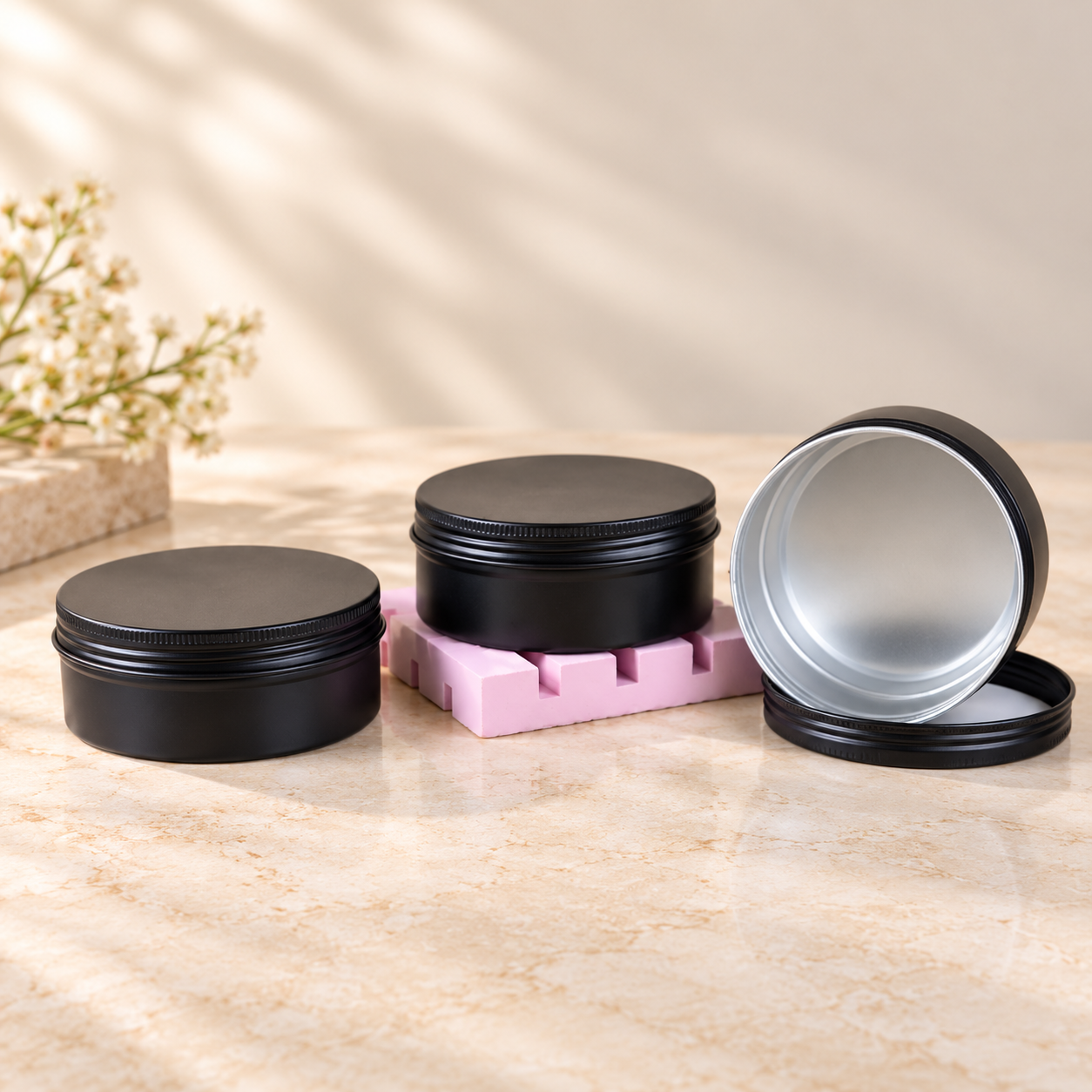
Preservative-light emulsions, peptides, and retinoid creams gain major shelf stability inside opaque airless pumps. Conversely, dense occlusive balms that would clog narrow pump valves thrive in double-wall PP/acrylic jars equipped with protective inner seals.
Why doesn’t an airless pump have a plastic straw inside?
Instead of a straw (dip tube), airless containers rely on a vacuum-sealed piston plate that rises smoothly from the bottom as you pump, eliminating waste around bottle corners.
How can consumers keep open cream jars hygienic?
Wash your hands before use, scoop product with a sanitized cosmetic spatula rather than fingers, and snap the inner dust disc back on before tightening the outer cap.
Frequently Asked Questions (FAQ)
How does packaging affect skincare stability in Airless Pump vs. Cream Jar: Which Skincare Packaging Works Best??
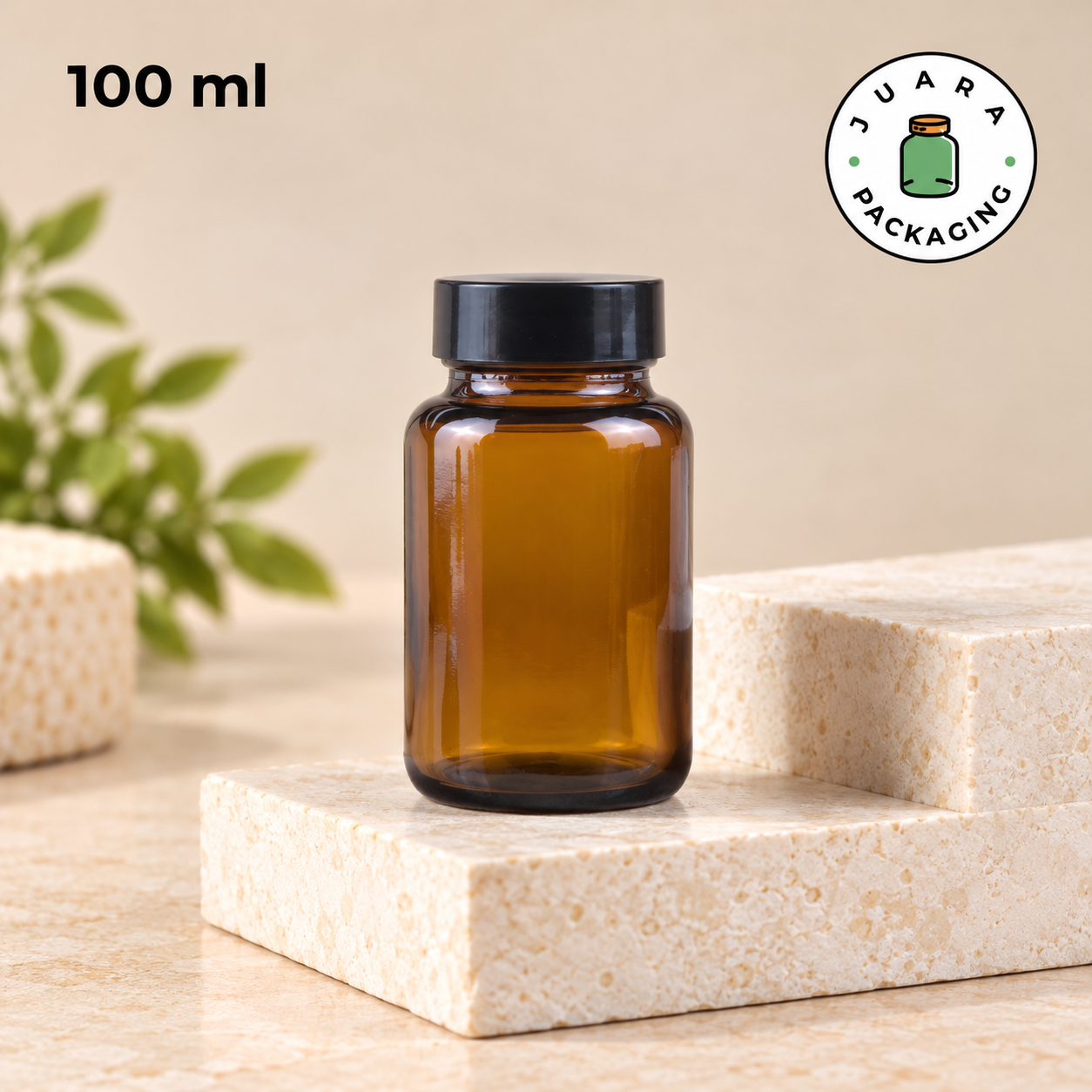
Light-filtering amber glass, opaque vacuum airless pumps, and tight inner seals reduce UV exposure and oxygen ingress, helping delicate active formulas stay effective longer.
Editorial Review & Consumer Safety Note
Ruang Skincare Editorial Team
Content is compiled for educational clarity regarding skin barrier science, active ingredients, and cosmetic packaging stability. It does not replace individualized medical advice from a board-certified dermatologist.