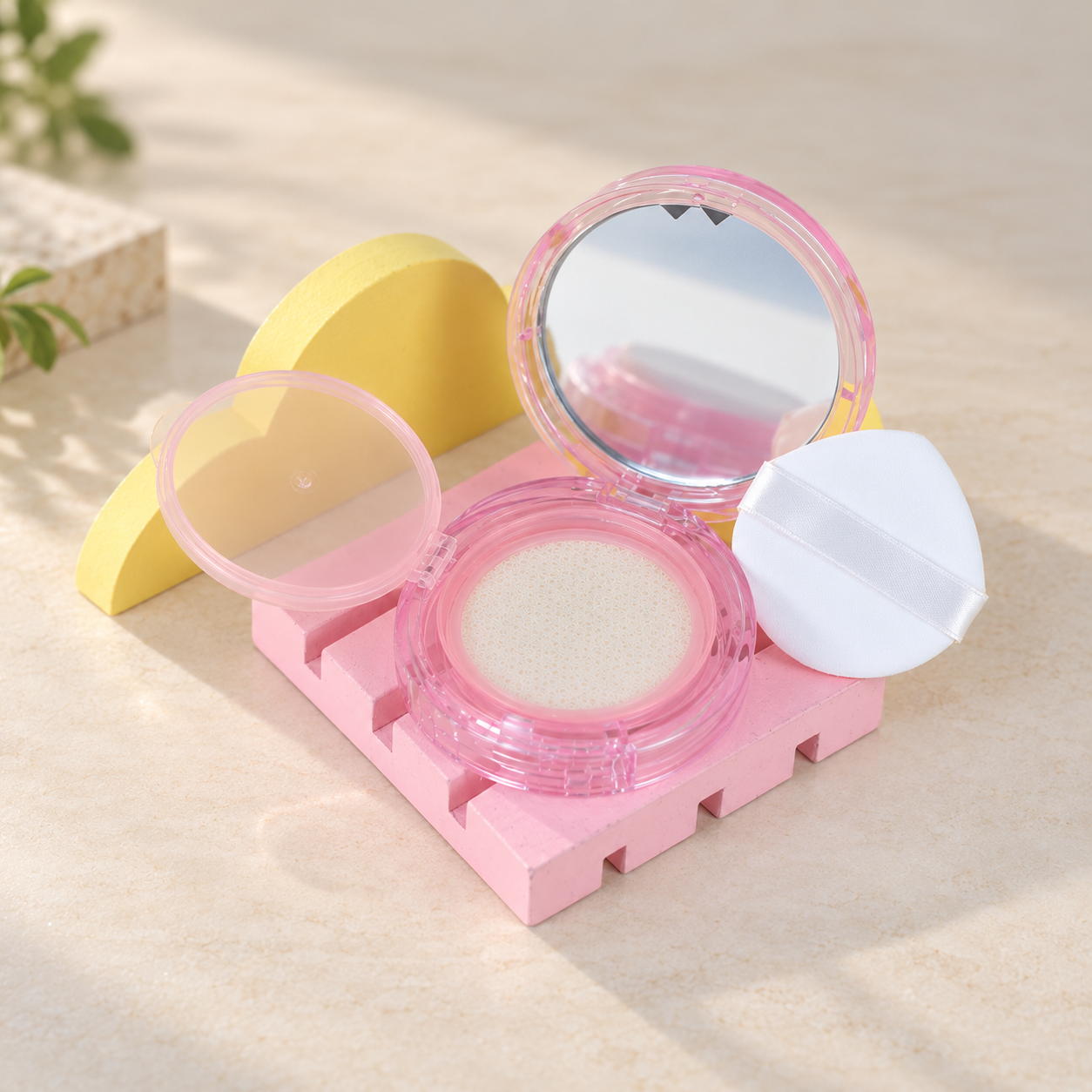
Quick Summary: Housing Hyaluronic Acid (pH 5.0 – 6.5, strength 0.5% – 2%) inside Press-Down Airless Cream Jar made of PP / AS Press-Plate Mechanism provides 95% Light Block and Very High (Sealed diaphragm) protection to maintain potency through the entire PAO window.
Quick Evaluation Table for Press-Down Airless Cream Jar with Hyaluronic Acid
| Evaluation Factor | Container / Active Spec | Practical Implication |
|---|---|---|
| Container Material | PP / AS Press-Plate Mechanism (Code PP-05) | Controls chemical inertness with active base |
| UV Light Barrier | 95% Light Block | Hyaluronic Acid sensitivity: Low |
| Oxygen Barrier | Very High (Sealed diaphragm) | Minimizes premature oxidation and color drift |
| Optimal pH & Strength | pH 5.0 – 6.5 • 0.5% – 2% | Recommended AM & PM (damp skin) |
Stability & Usability Deep Dive
Container engineering shapes real-world performance for Hyaluronic Acid. Designed for Moisturizer & Barrier Cream textures, Press-Down Airless Cream Jar reduces unnecessary air exchange and helps preserve balanced active delivery.
What to Check Before Choosing
- Cap and seal Press-Down Airless Cream Jar promptly after each measured application.
- Store between 15°C and 25°C away from sunlit windowsills and shower steam.
- Track any texture shift, off-odor, or PAO countdown printed on PP-05 packaging.
When applying Hyaluronic Acid (AM & PM (damp skin)), avoid touching the nozzle or dropper directly to bare skin so formulas remain hygienic until the final drop.
Frequently Asked Questions (FAQ)
Is Press-Down Airless Cream Jar suitable for Hyaluronic Acid formulas?
Yes, when paired with compatible Moisturizer & Barrier Cream viscosity and 95% Light Block shielding to support pH 5.0 – 6.5 stability.
How should consumers store Press-Down Airless Cream Jar to protect Hyaluronic Acid?
Keep it in a shaded drawer at 15–25°C away from bathroom humidity to preserve both the PP / AS Press-Plate Mechanism dispenser and formula freshness.
When is the ideal time to use Hyaluronic Acid?
Typically AM & PM (damp skin) at 0.5% – 2% concentration, adjusted gradually according to skin tolerance.
See related guidance in Skincare Packaging & Storage Guide. Verify regulatory registration, patch test new formulas for 48 hours, and consult a dermatologist for persistent irritation.
Content is compiled for educational clarity regarding skin barrier science, active ingredients, and cosmetic packaging stability. It does not replace individualized medical advice from a board-certified dermatologist.