Quick Summary: For Dry & Flaky Skin, BHA (Salicylic Acid) performs best within 0.5% – 2% at pH 3.2 – 4.0 using a Lipid-rich emulsion or ceramide cream base (PM / Gradual use). Focusing on Safe Layering & Pairing Rules lowers irritation risk and keeps active formulas reliable.
Myths vs. Facts on BHA (Salicylic Acid) for Dry & Flaky Skin
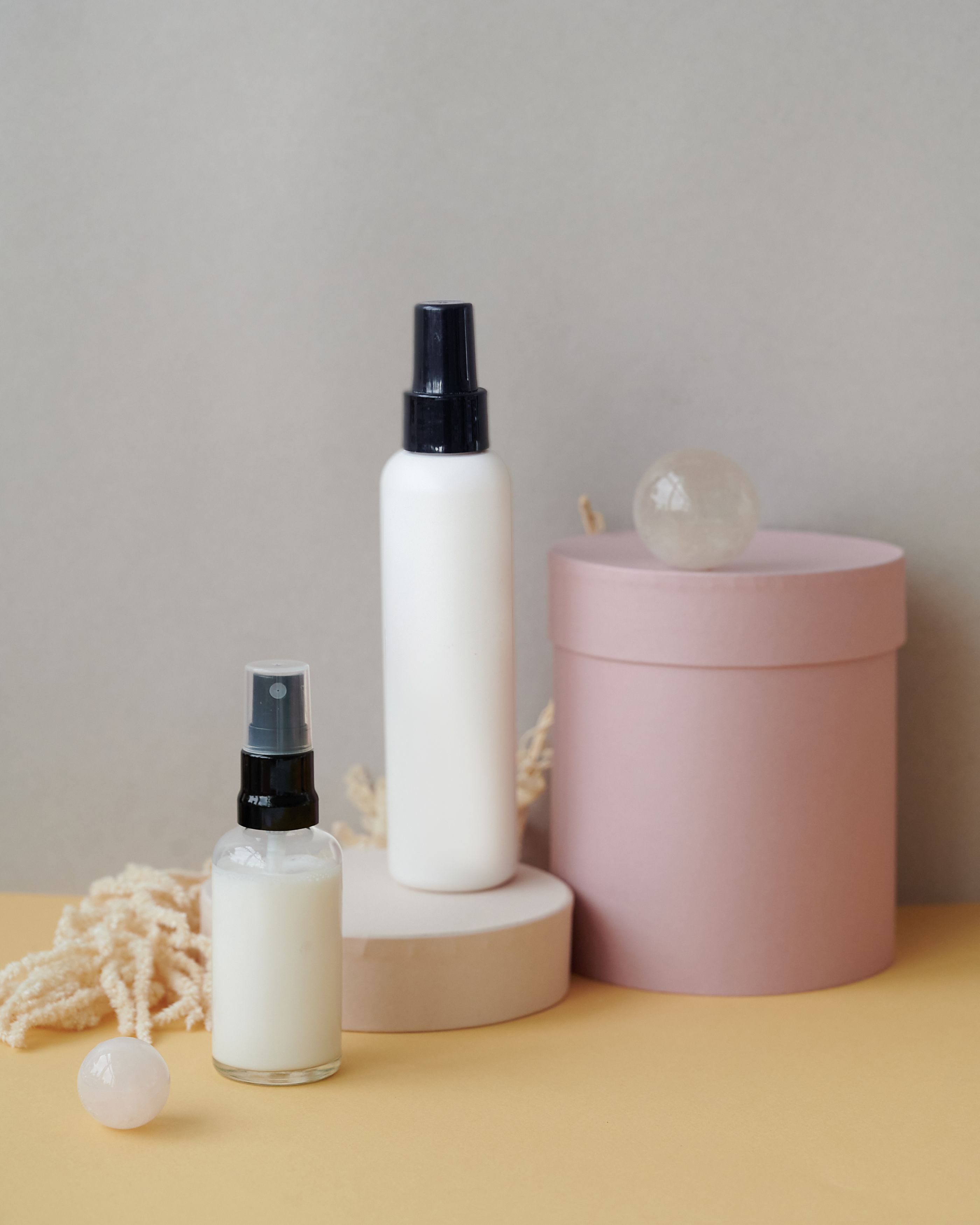
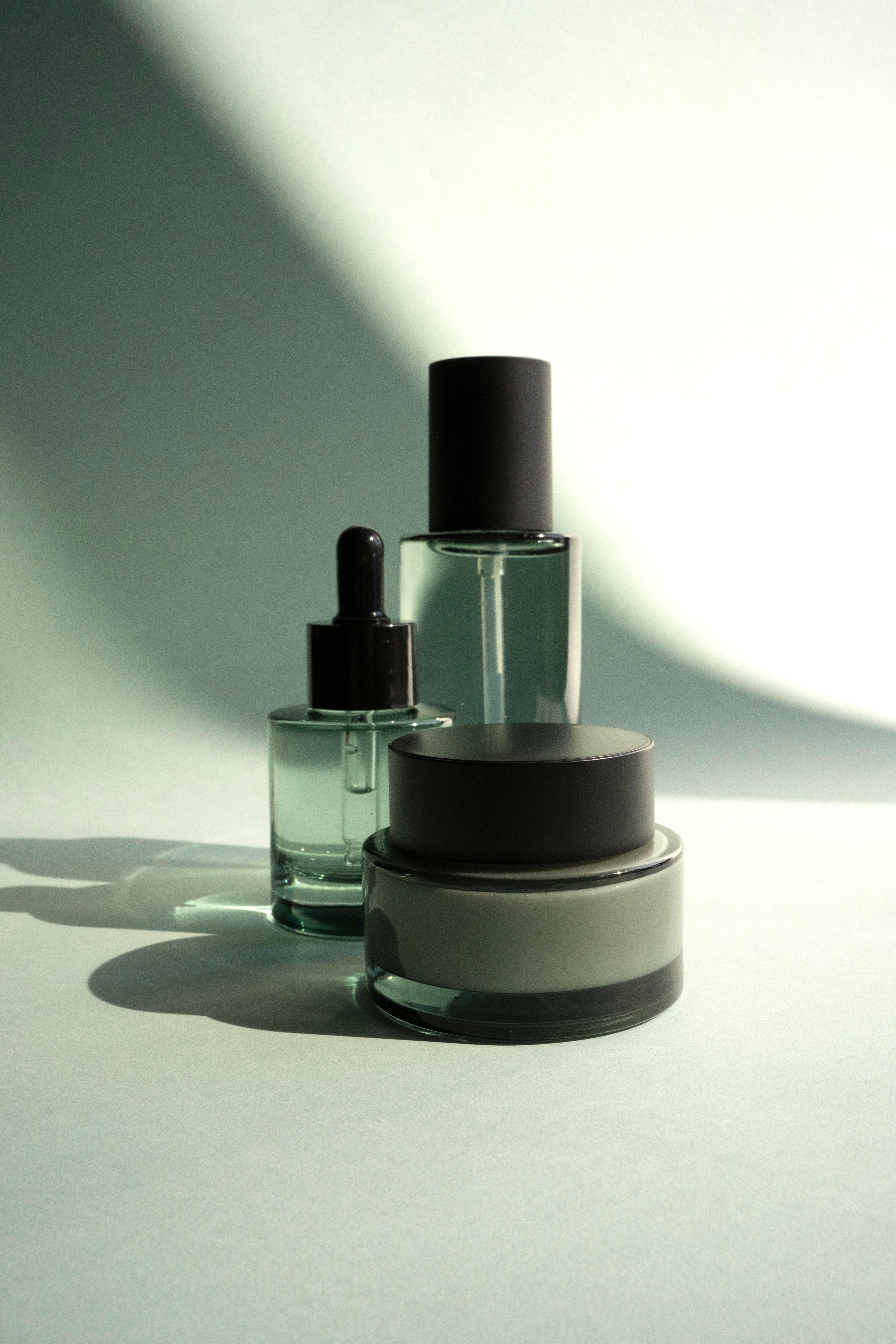
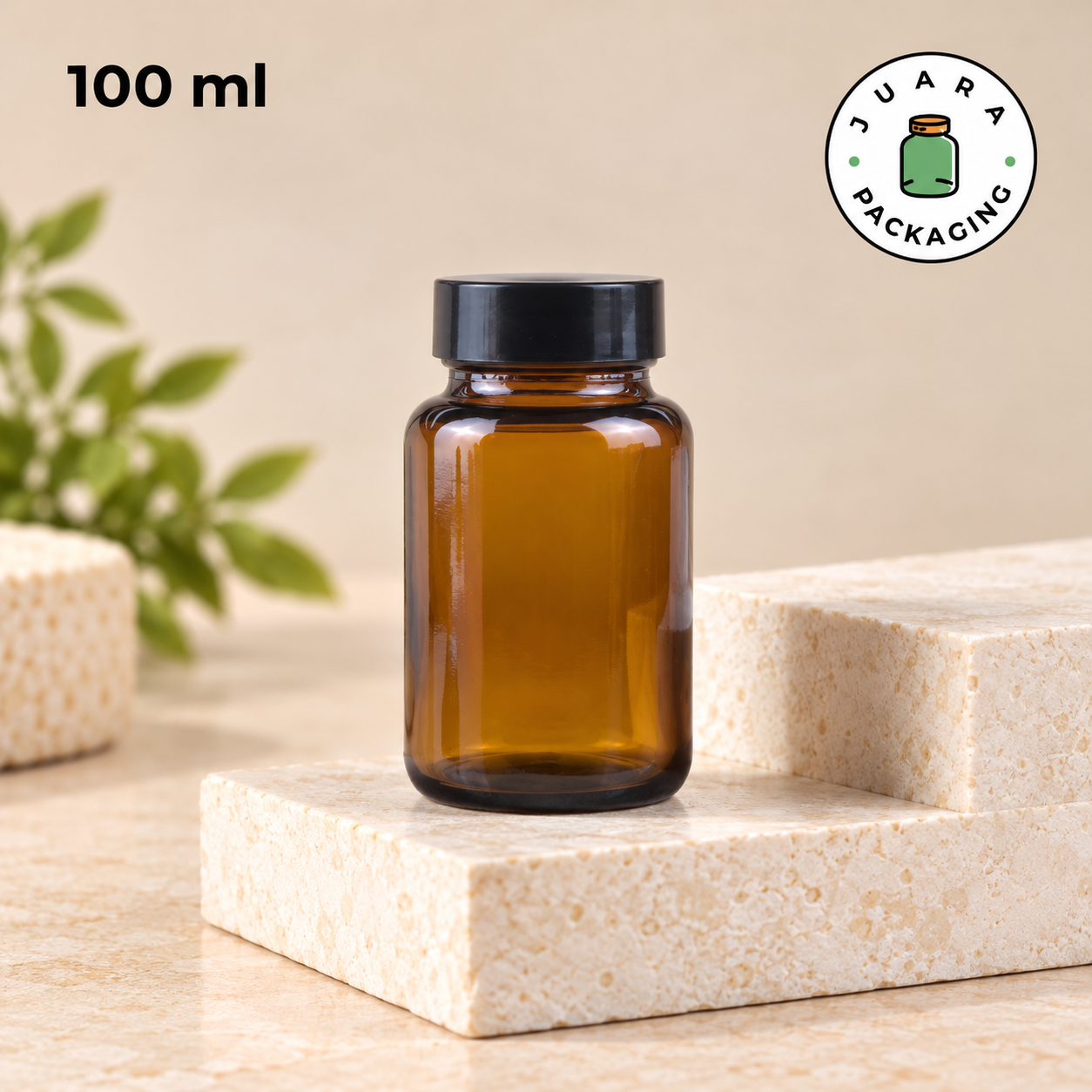
With light sensitivity rated Moderate, storing BHA (Salicylic Acid) in well-sealed opaque or amber dispensers prevents premature potency loss.
| Key Aspect | Reference Value | Note for Dry & Flaky Skin |
|---|---|---|
| Comfortable Strength | 0.5% – 2% | Start on the lower end to gauge tolerance |
| Formulation pH | 3.2 – 4.0 | Supports efficacy without disrupting barrier balance |
| Application Window | PM / Gradual use | Preferred texture: Lipid-rich emulsion or ceramide cream |
| Light Sensitivity | Moderate | Choose opaque or UV-filtering dispensers |
Clear Science Without Hype
Because Dry & Flaky Skin reacts distinctly to potent actives, pacing BHA (Salicylic Acid) alongside barrier hydration helps build steady results without overwhelming the stratum corneum.
Practical Tips to Maintain Performance
- Patch test behind the ear or along the jawline for 48 hours before full-face use.
- Select Lipid-rich emulsion or ceramide cream formats tailored for Dry & Flaky Skin.
- Pair daytime actives with broad-spectrum sunscreen and seal containers tightly.

Frequently Asked Questions (FAQ)
Can Dry & Flaky Skin be used daily on Dry & Flaky Skin?
Tolerance depends on strength (0.5% – 2%); start 2–3 nights or mornings per week and adjust based on comfort.
Which product texture suits Dry & Flaky Skin best?
A Lipid-rich emulsion or ceramide cream base generally delivers balanced hydration without feeling heavy or congested.
Does packaging matter for BHA (Salicylic Acid)?
Yes—given its Moderate light sensitivity, airtight opaque or amber glass dispensers preserve active quality.
Explore Skin Types & Skin Concerns Guide. Educational content only—not medical advice. Consult a licensed dermatologist if persistent irritation occurs.
Content is compiled for educational clarity regarding skin barrier science, active ingredients, and cosmetic packaging stability. It does not replace individualized medical advice from a board-certified dermatologist.