Quick Summary: For Blemish & Post-Breakout Mark Prone Skin, Vitamin C (L-Ascorbic Acid) performs best within 5% – 15% at pH 2.8 – 3.5 using a Fast-absorbing non-comedogenic serum base (Morning (under SPF)). Focusing on Safe Layering & Pairing Rules lowers irritation risk and keeps active formulas reliable.
Myths vs. Facts on Vitamin C (L-Ascorbic Acid) for Blemish & Post-Breakout Mark Prone Skin
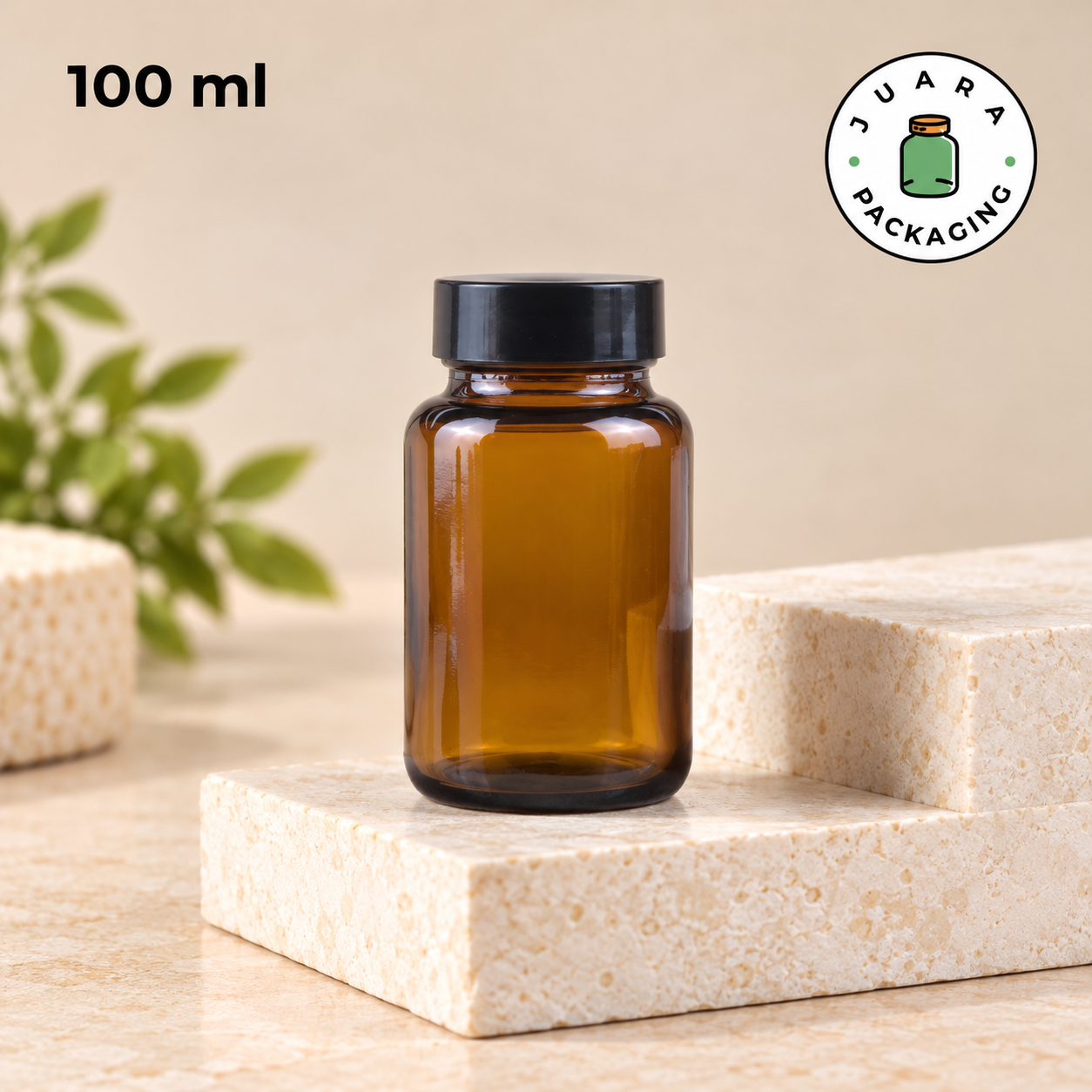
With light sensitivity rated Very High, storing Vitamin C (L-Ascorbic Acid) in well-sealed opaque or amber dispensers prevents premature potency loss.
| Key Aspect | Reference Value | Note for Blemish & Post-Breakout Mark Prone Skin |
|---|---|---|
| Comfortable Strength | 5% – 15% | Start on the lower end to gauge tolerance |
| Formulation pH | 2.8 – 3.5 | Supports efficacy without disrupting barrier balance |
| Application Window | Morning (under SPF) | Preferred texture: Fast-absorbing non-comedogenic serum |
| Light Sensitivity | Very High | Choose opaque or UV-filtering dispensers |
Clear Science Without Hype
Because Blemish & Post-Breakout Mark Prone Skin reacts distinctly to potent actives, pacing Vitamin C (L-Ascorbic Acid) alongside barrier hydration helps build steady results without overwhelming the stratum corneum.
Practical Tips to Maintain Performance
- Patch test behind the ear or along the jawline for 48 hours before full-face use.
- Select Fast-absorbing non-comedogenic serum formats tailored for Blemish & Post-Breakout Mark Prone Skin.
- Pair daytime actives with broad-spectrum sunscreen and seal containers tightly.
Frequently Asked Questions (FAQ)
Can Blemish & Post-Breakout Mark Prone Skin be used daily on Blemish & Post-Breakout Mark Prone Skin?
Tolerance depends on strength (5% – 15%); start 2–3 nights or mornings per week and adjust based on comfort.
Which product texture suits Blemish & Post-Breakout Mark Prone Skin best?
A Fast-absorbing non-comedogenic serum base generally delivers balanced hydration without feeling heavy or congested.
Does packaging matter for Vitamin C (L-Ascorbic Acid)?
Yes—given its Very High light sensitivity, airtight opaque or amber glass dispensers preserve active quality.
Explore Skin Types & Skin Concerns Guide. Educational content only—not medical advice. Consult a licensed dermatologist if persistent irritation occurs.
Content is compiled for educational clarity regarding skin barrier science, active ingredients, and cosmetic packaging stability. It does not replace individualized medical advice from a board-certified dermatologist.