
Safety Labels & PAO Checklist: Targeted Active Treatment Serum for Post-Exfoliation Barrier Recovery
Practical Safety Labels & PAO Checklist for using Targeted Active Treatment Serum (pH 3.2 – 6.2) during Post-Exfoliation Barrier Recovery.
Objective articles covering active ingredients, skin types, daily routines, consumer safety, and cosmetic packaging preservation.
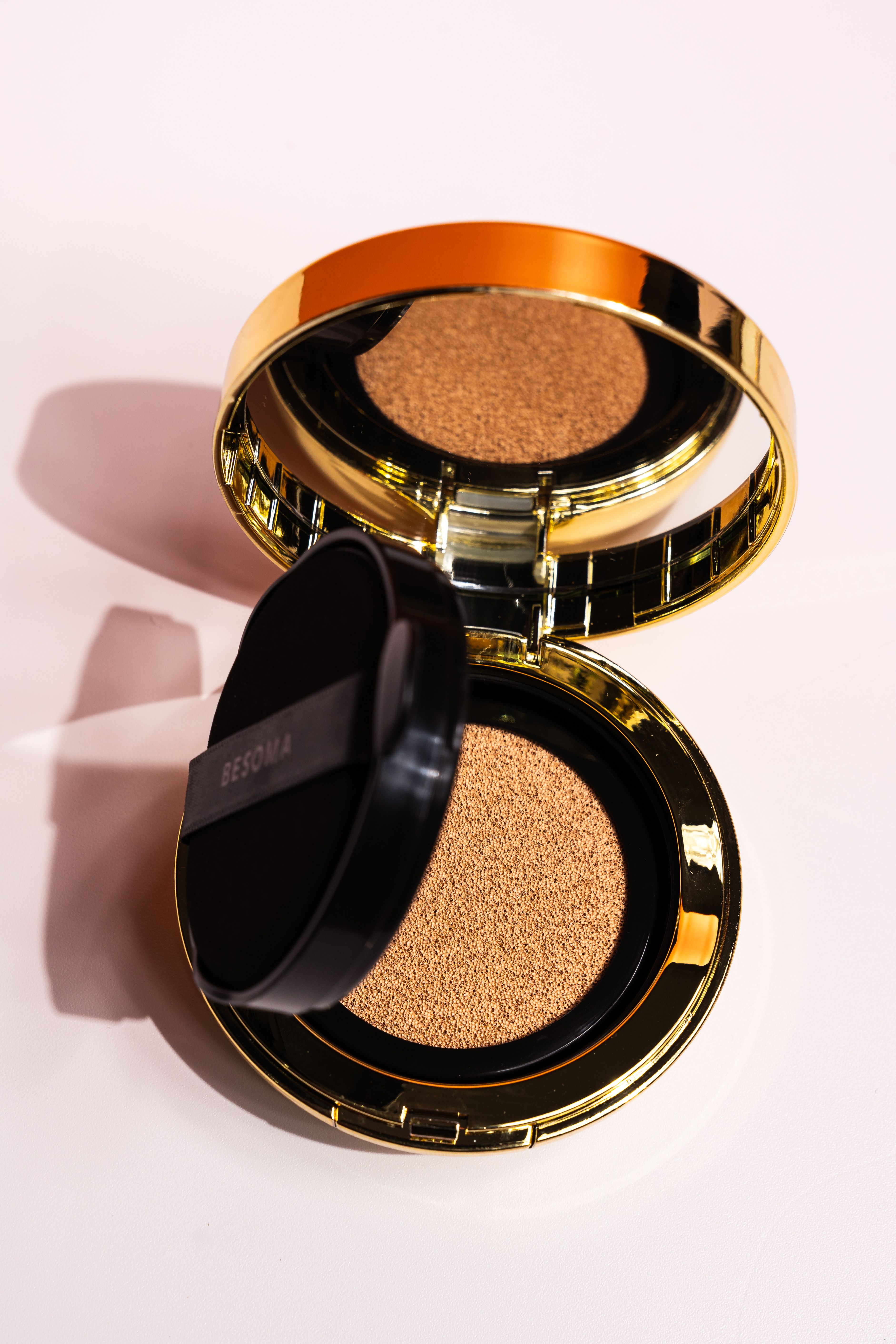 Safety & Consumer Guide
Practical Safety Labels & PAO Checklist for using Targeted Active Treatment Serum (pH 3.2 – 6.2) during Post-Exfoliation Barrier Recovery.
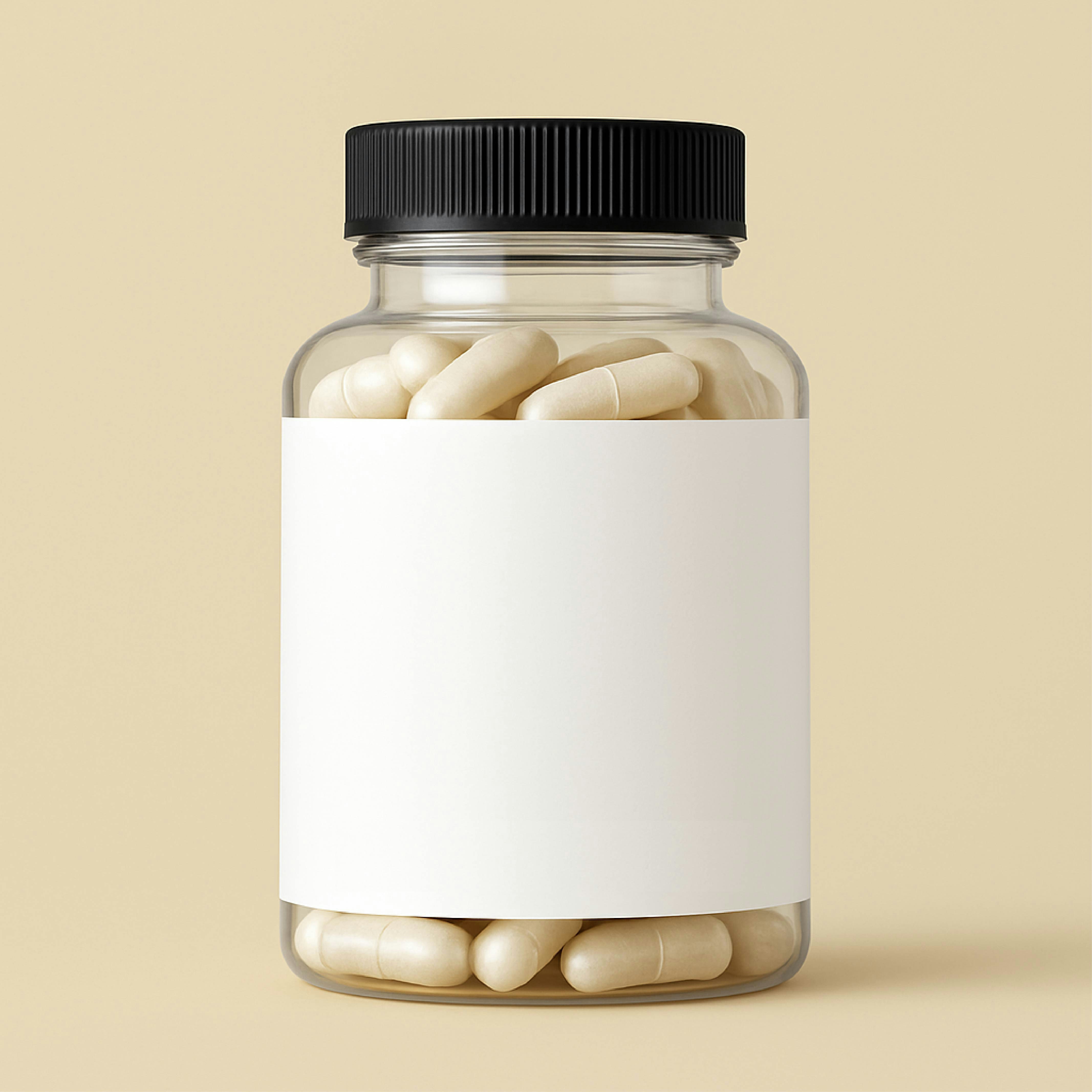 Packaging & Storage
Technical guide on how PCR Refillable Inner Cartridge (Post-Consumer Recycled PP/PET) protects pH 3.8 – 4.5 stability and slows down oxidation in PHA (Gluconolactone).
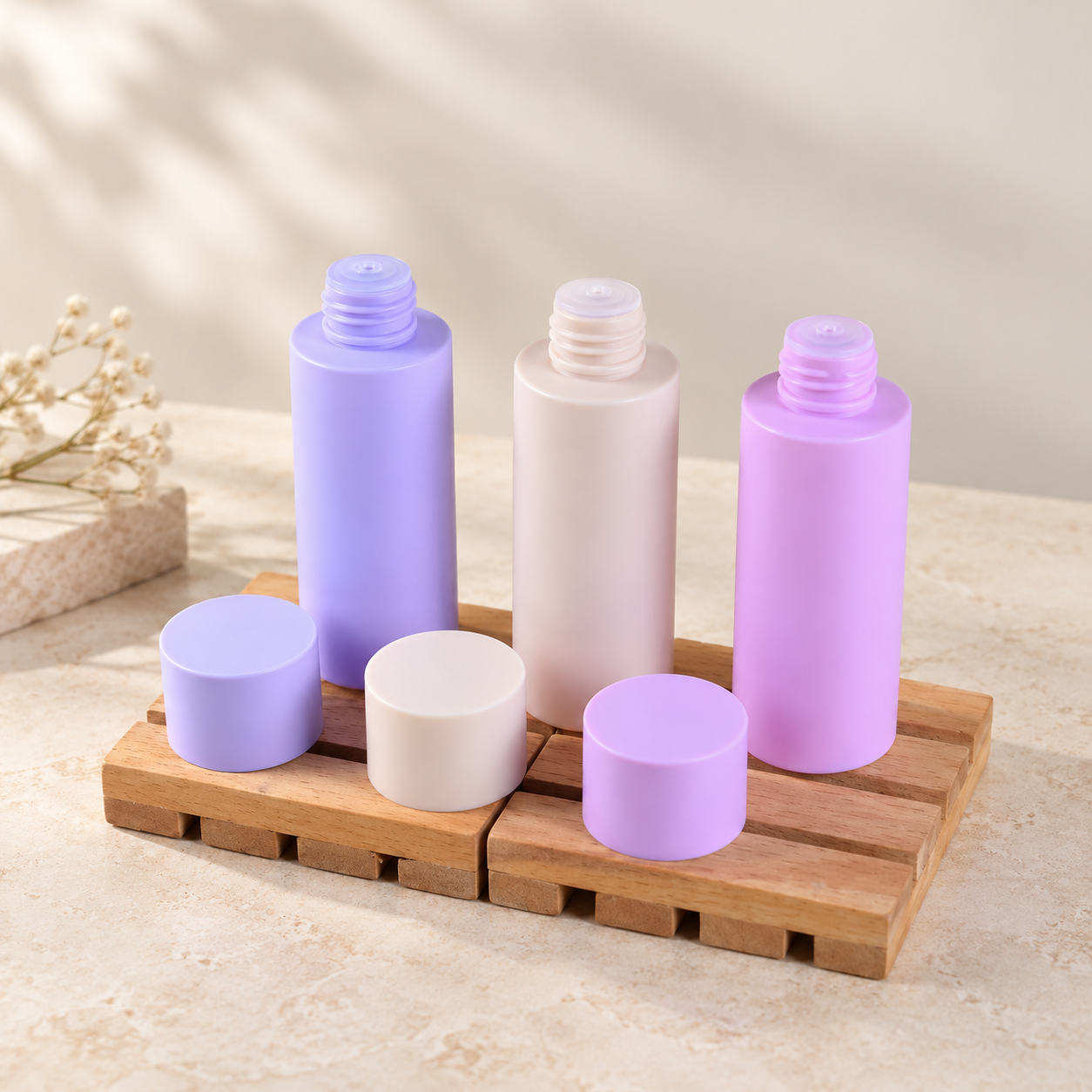 Packaging & Storage
Technical guide on how Frosted Glass Dropper Bottle (Frosted Flint Glass) protects pH 3.8 – 4.5 stability and slows down oxidation in PHA (Gluconolactone).
 Safety & Consumer Guide
In-depth look at The 1% Rule in Skincare INCI Ingredient Lists for Emulsion & Tinted Sunscreens to safeguard consumer safety and formula stability.
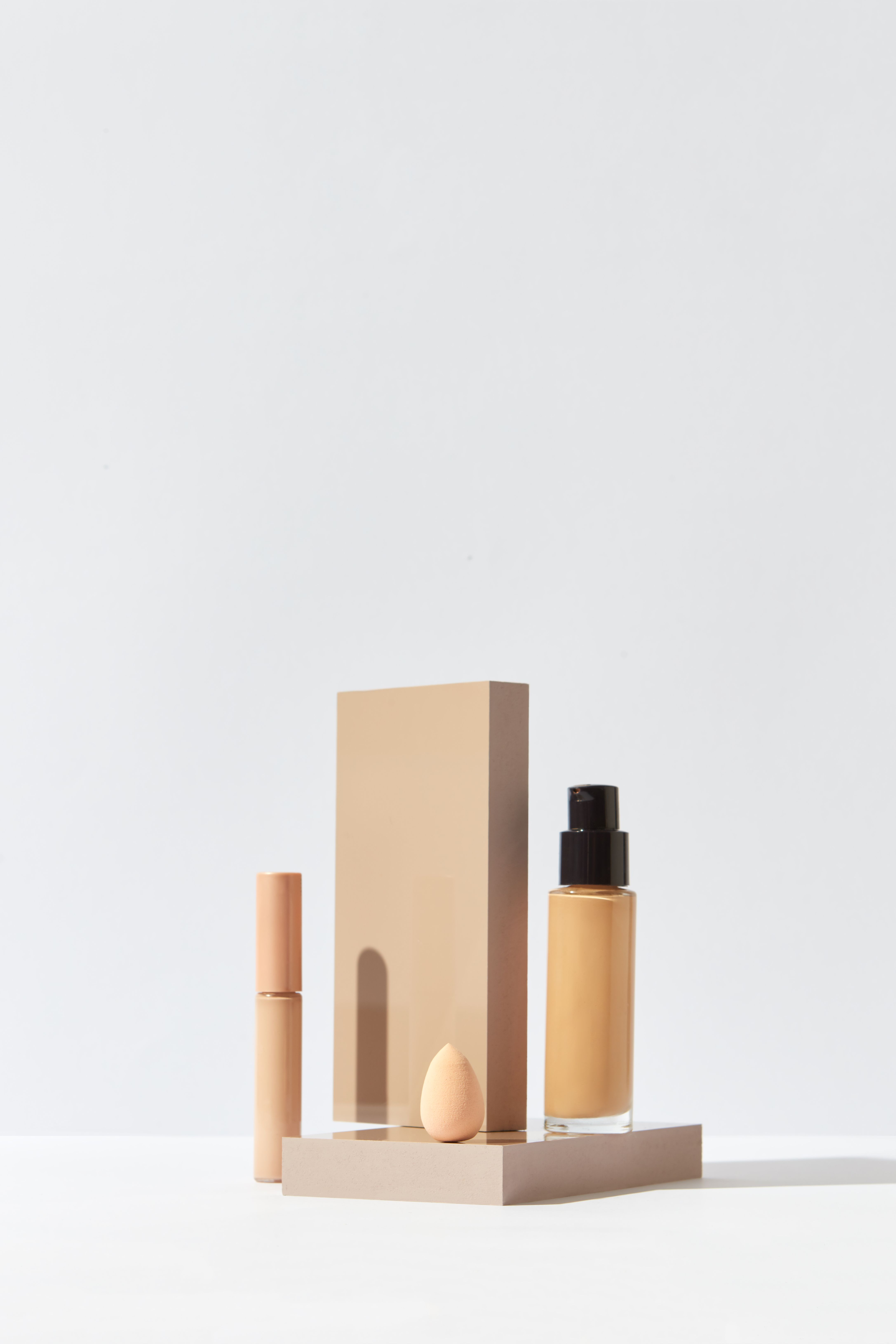 Skincare Routines
Objective Safe Layering & Pairing Rules covering Azelaic Acid (5% – 10%) for Combination Skin (Oily T-Zone), including Balanced layerable gel-lotion texture tips.
Packaging & Storage
Technical guide on how Opaque HDPE Lotion Bottle (High-Density Polyethylene) protects pH 3.8 – 4.5 stability and slows down oxidation in PHA (Gluconolactone).
 Skin Types & Concerns
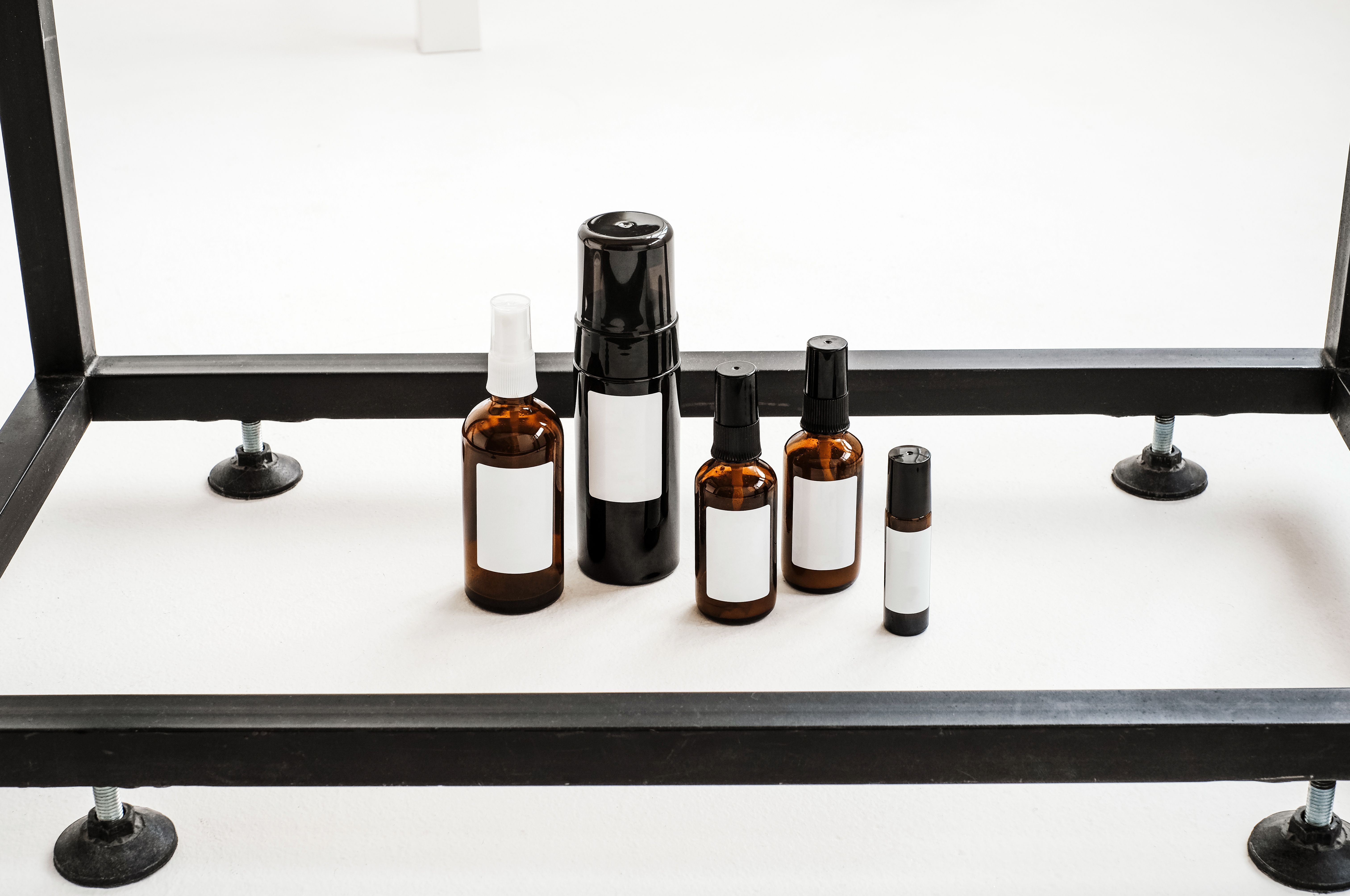
Practical Troubleshooting Common Mistakes for using Lightweight Gel Moisturizer (pH 5.2 – 6.0) during Streamlined 3-Step Minimalist Care.
 Packaging & Storage
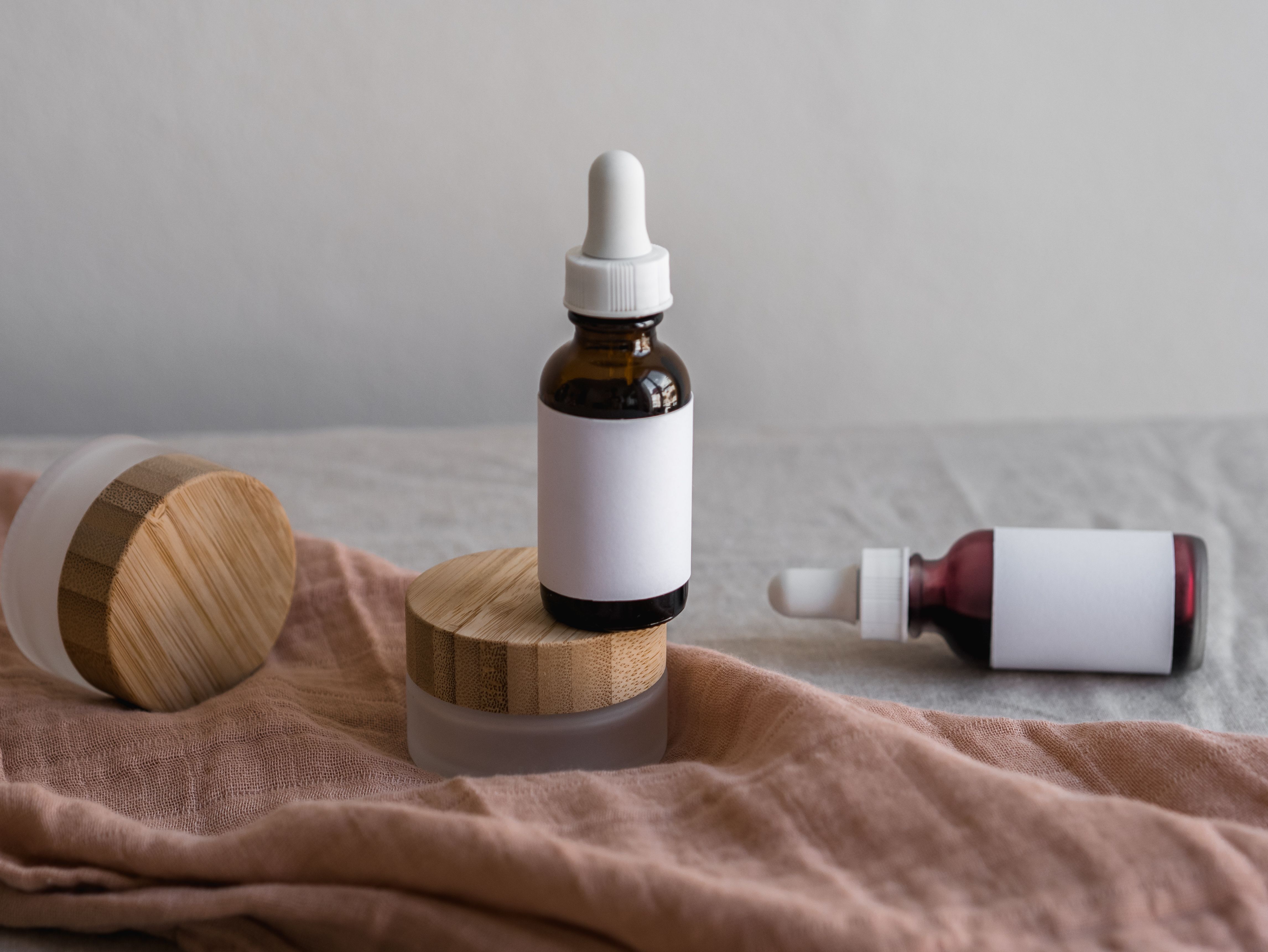
Objective Storage & Shelf-Life Protection covering Niacinamide (Vitamin B3) (2% – 5%) for Dry & Flaky Skin, including Lipid-rich emulsion or ceramide cream texture tips.
 Products & Formats
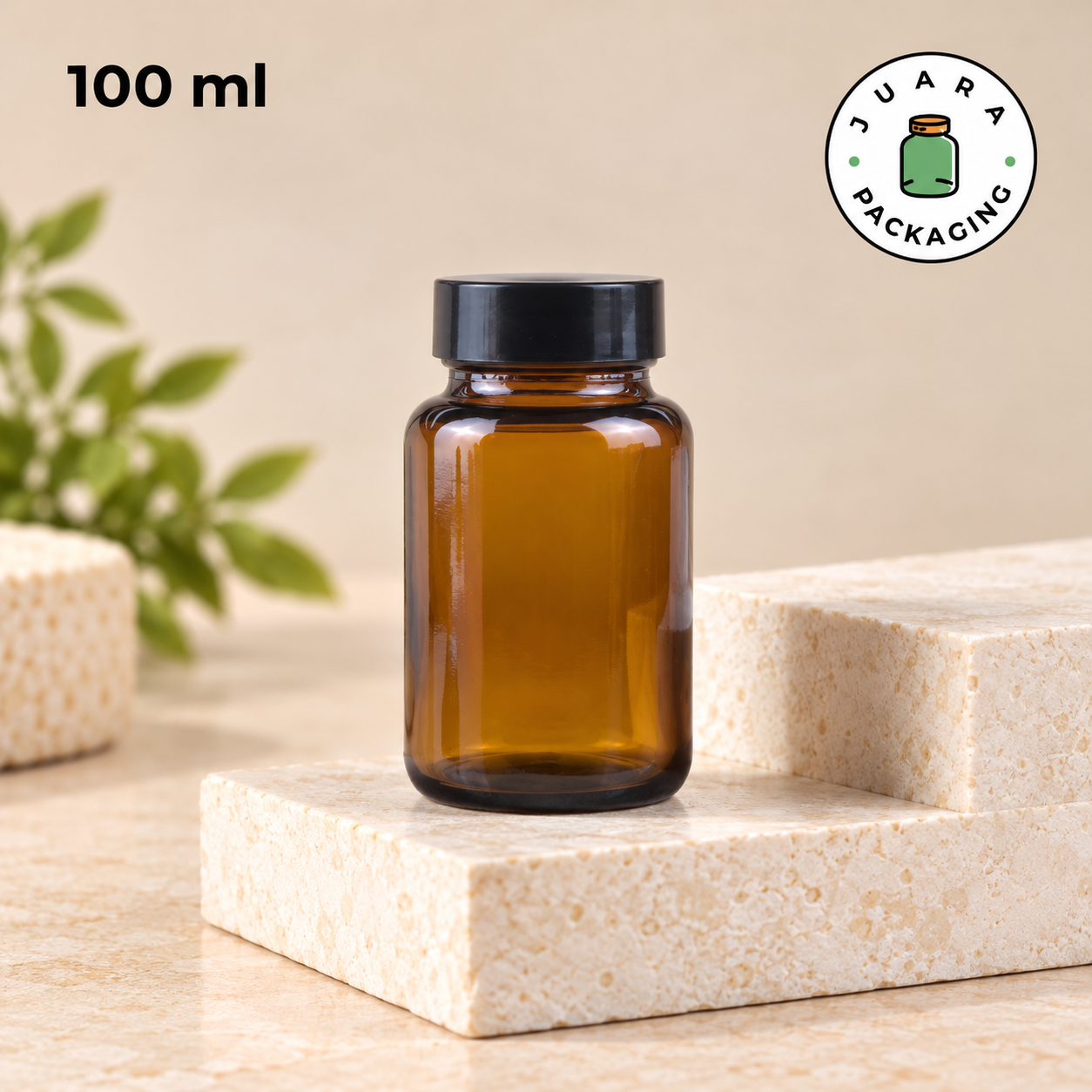
Practical guide on dispenser hygiene for Double-Wall Acrylic Cream Jar, safe dosing of Hyaluronic Acid (0.5% – 2%), and extending PAO freshness.
Products & Formats
In-depth look at Pump vs. Dropper vs. Mist Spray Ergonomics for Daily Hydrating Mists & Essences to safeguard consumer safety and formula stability.
Packaging & Storage
Objective Storage & Shelf-Life Protection covering Centella Asiatica (Madecassoside) (0.5% – 5%) for Dry & Flaky Skin, including Lipid-rich emulsion or ceramide cream texture tips.
 Products & Formats
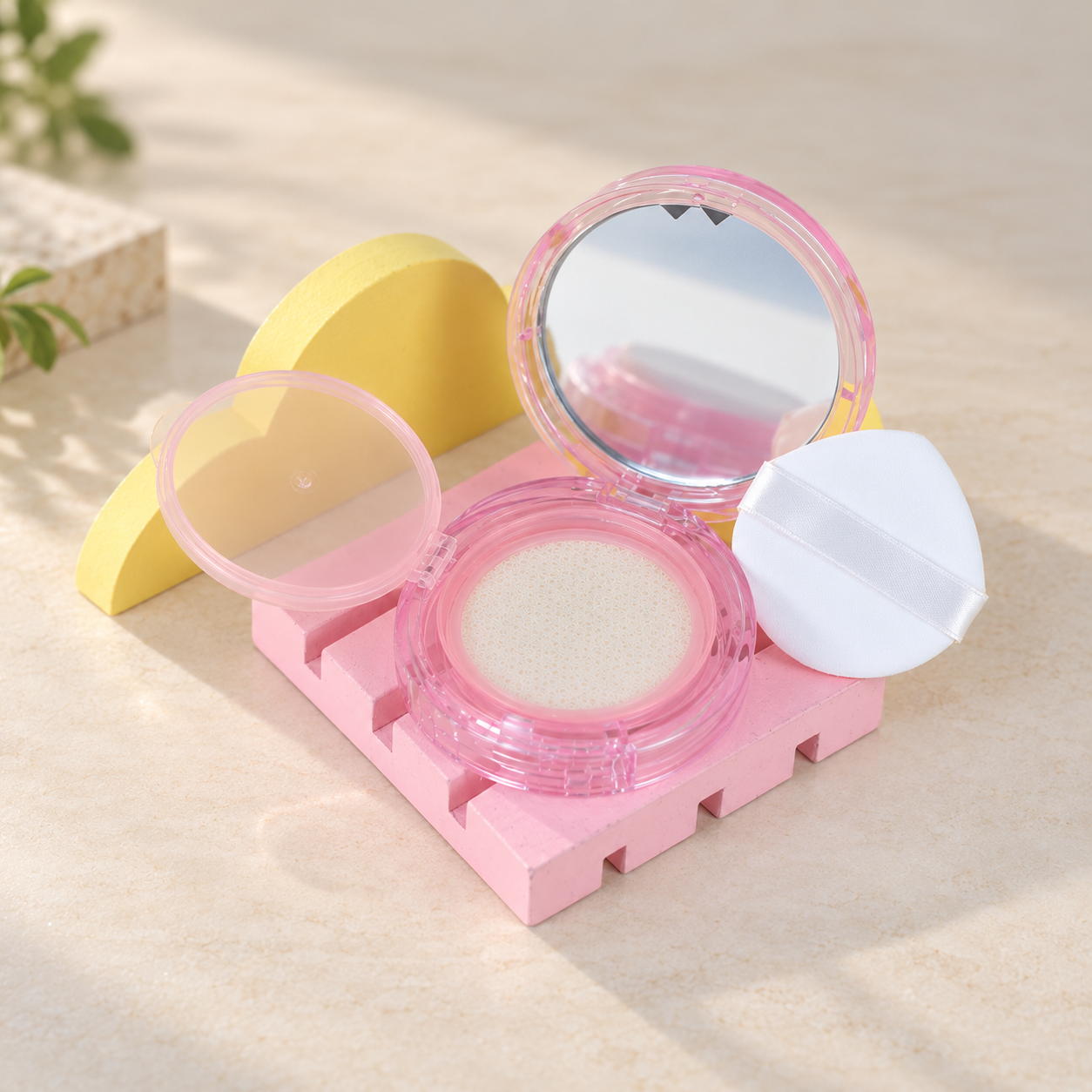
Practical guide on dispenser hygiene for Press-Down Airless Cream Jar, safe dosing of Hyaluronic Acid (0.5% – 2%), and extending PAO freshness.